
How Humane Possum Relocation Supports the Environment?
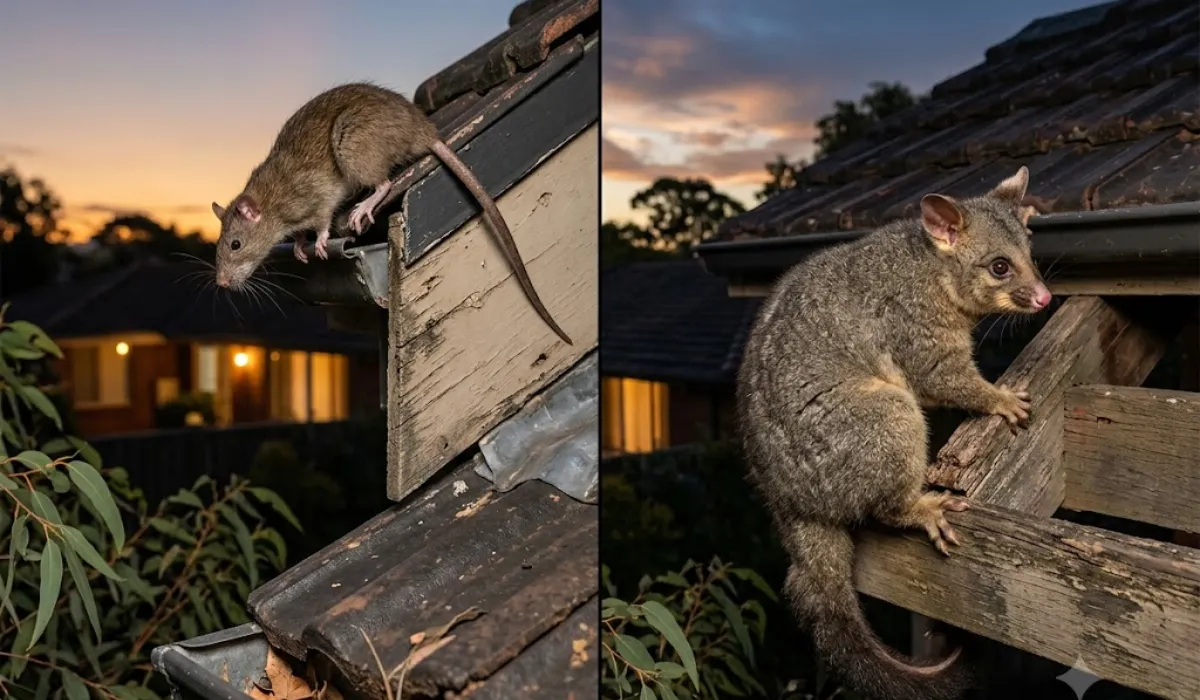
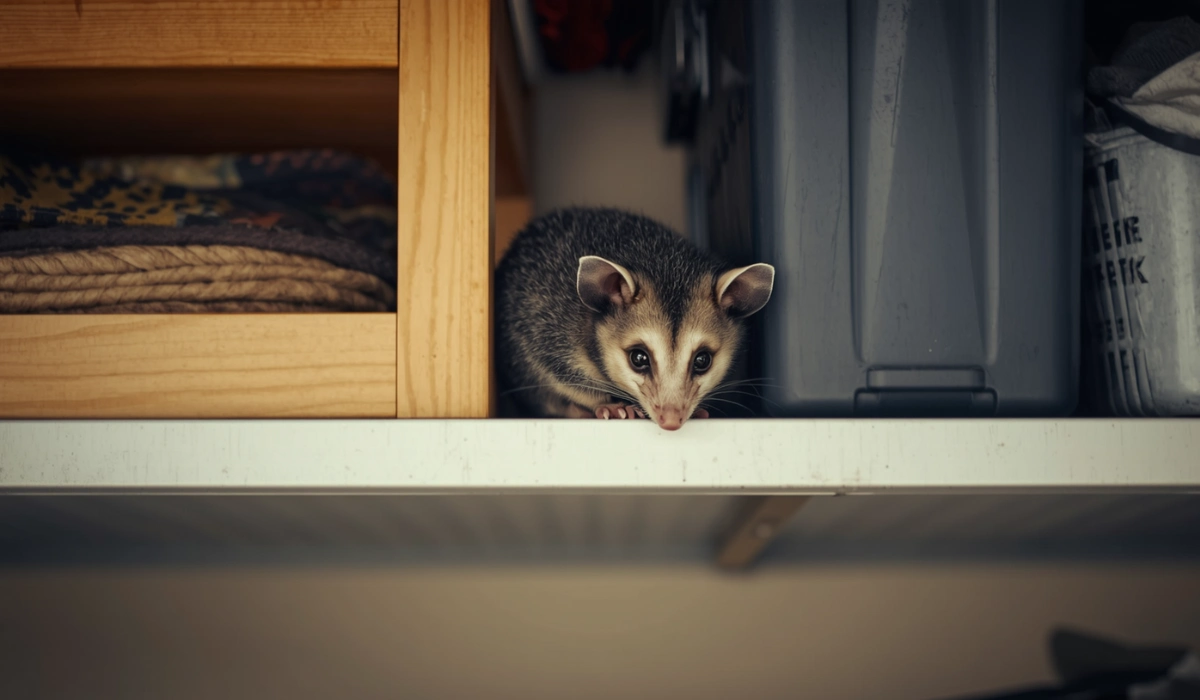
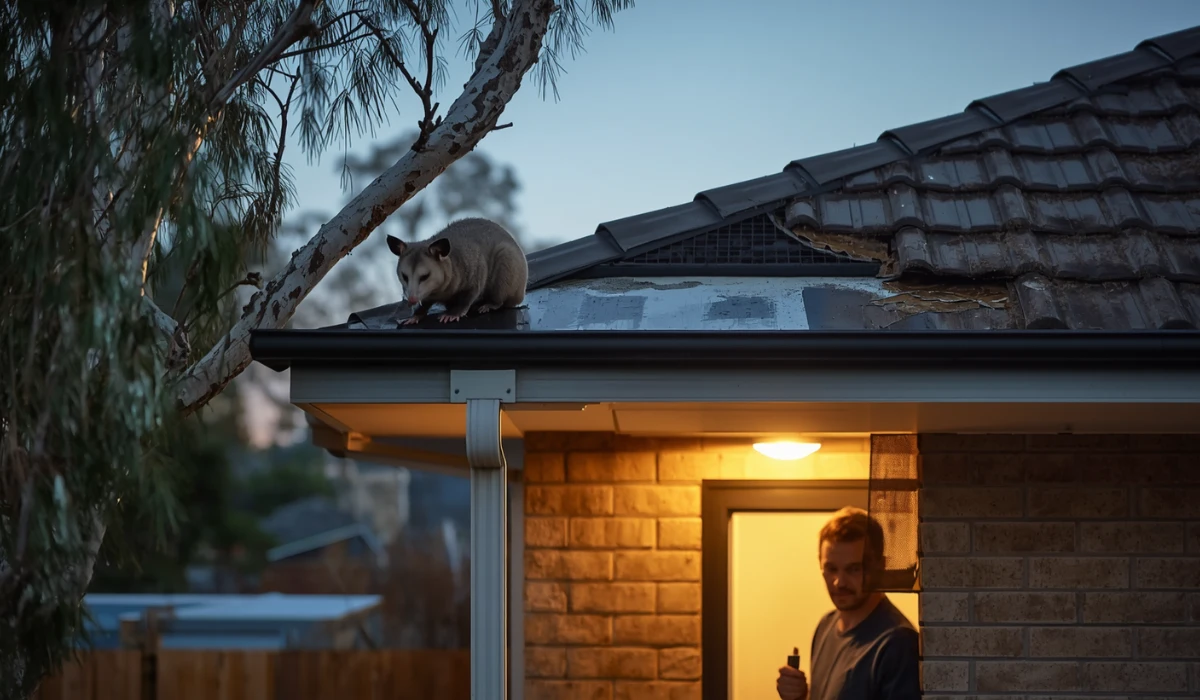
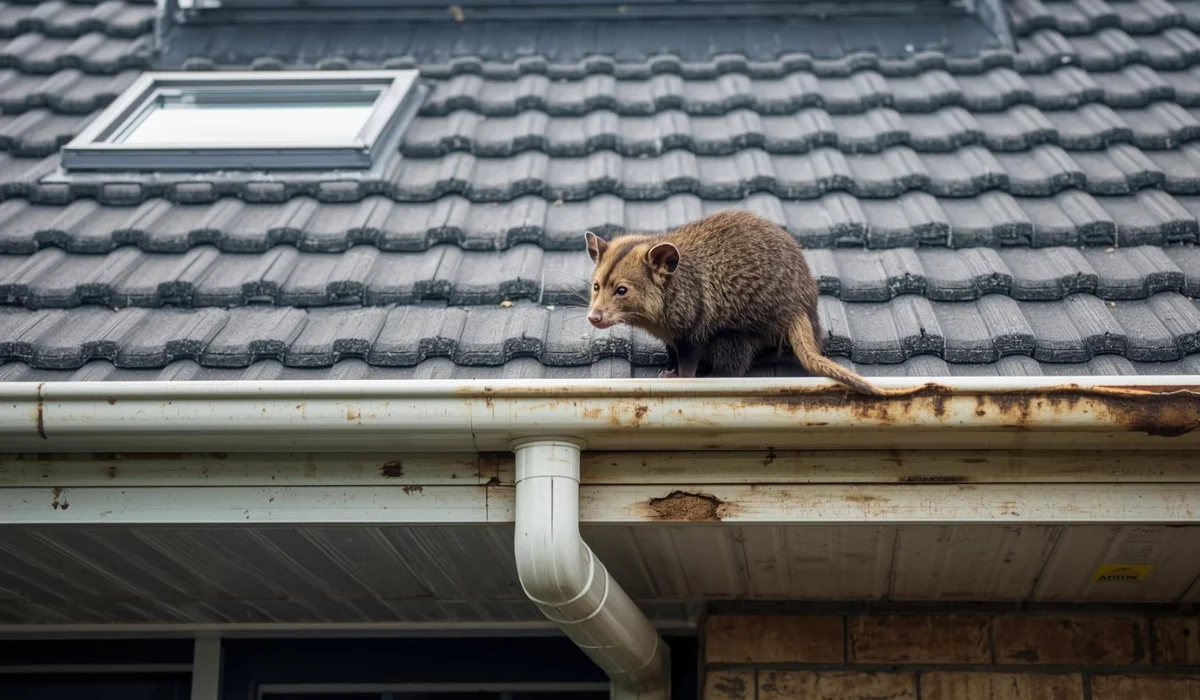
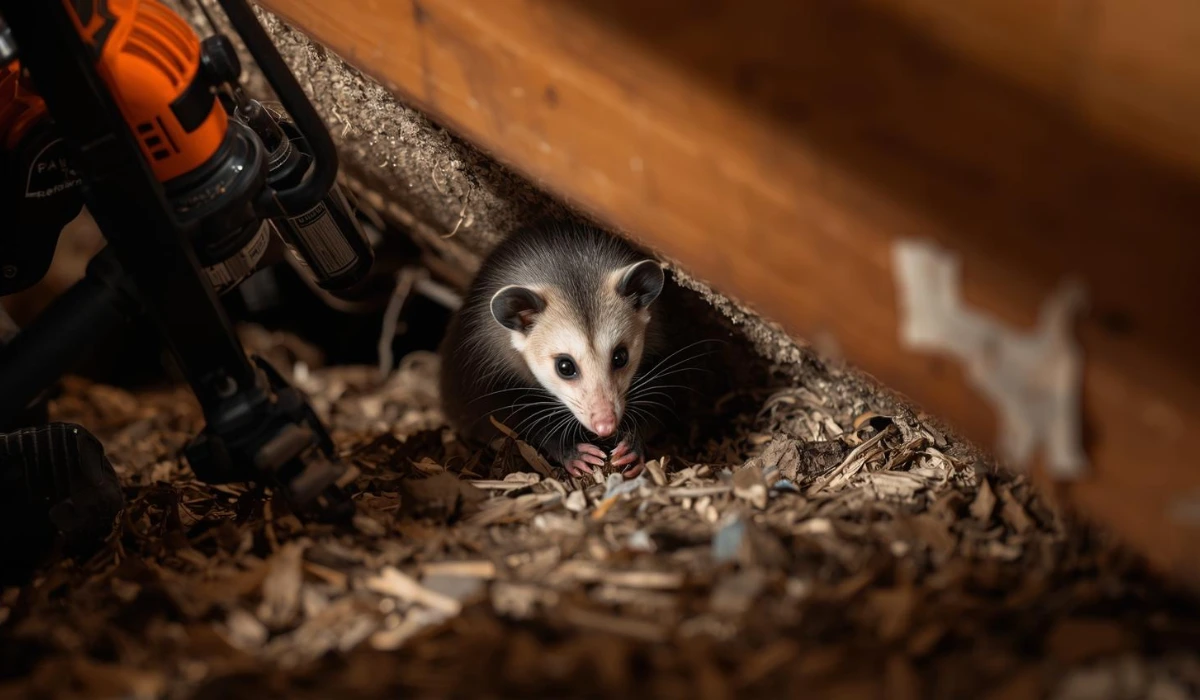
In many Australian suburbs, it’s not unusual to hear the scampering of possums on rooftops or discover them nesting in roof cavities. While they can cause frustration for homeowners, these animals play a vital role in our ecosystem. That’s why humane possum relocation has become an important solution. Instead of harmful or outdated control methods, this approach balances household needs with environmental care.
By safely removing possums and ensuring they remain in their natural habitat, we protect biodiversity, support ecosystem health, and allow people to live alongside animals in a more sustainable, eco-friendly way. You can learn more about their ecological importance in our guide on the Role of Possums in the Australian Ecosystem.
Why Possums Matter Ecologically?
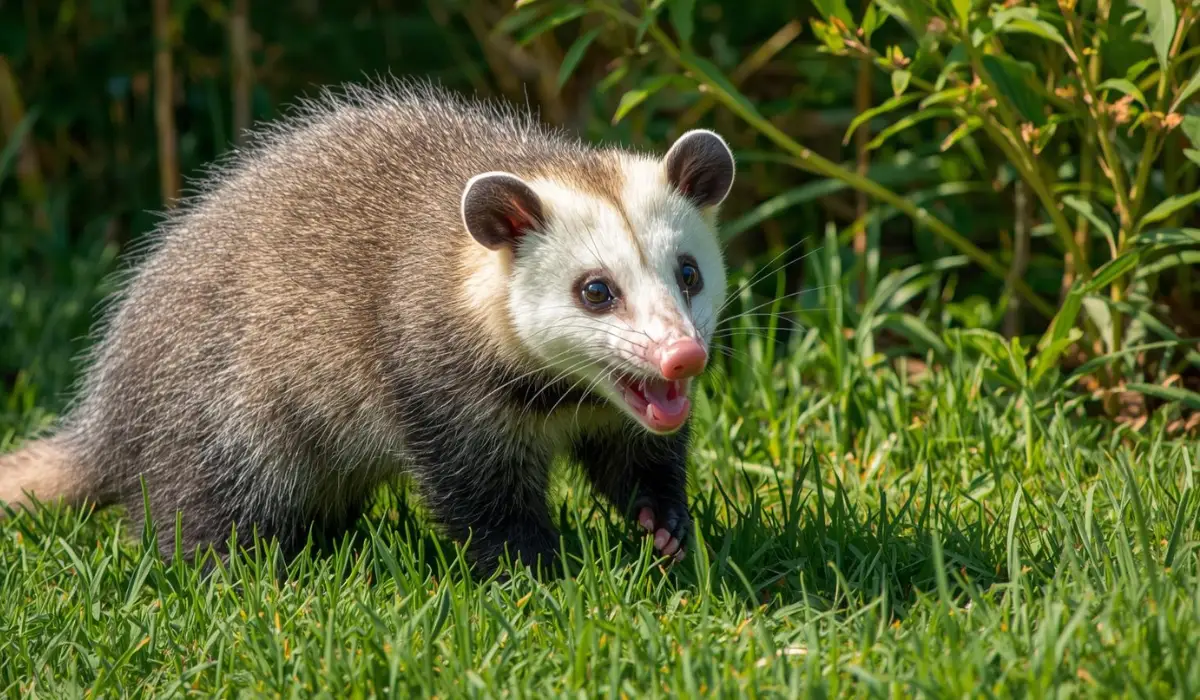
Possums aren’t just night-time visitors; they are crucial to the health of our environment. Through eco-friendly possum removal, people can prevent property damage without harming the species that keeps ecosystems thriving.
- Seed dispersers – By feeding on fruit and flowers, possums spread seeds that help regenerate native plants.
- Pollinators – In certain habitats, possums play a small but valuable role in pollination.
- Insect control – Their diet often includes invertebrates, keeping insect populations balanced.
- Soil enrichment – Droppings contribute to healthy soils that support native vegetation.
In short, possums support many layers of the food web and the wider landscape. However, their presence in roofs can be problematic — learn how to prevent this in our post on How to Possum-Proof Your Roof This Autumn.
What Other Websites Cover – and What’s Missing?
Many animal control services already talk about proper rules, removal methods, and the risks of improper relocation. They explain why safe possum relocation should always be done within state laws, because moving possums too far away often leads to stress and death.
But here’s what websites don’t dive into:
- Long-term ecological monitoring to measure the survival of relocated possums.
- Climate change adaptation and how possums move through habitat corridors.
- Community-led landscaping that prevents possums from being pushed into homes.
- Policy opportunities where councils could subsidise humane control.
These missing angles matter if we want to connect household practices to bigger environmental outcomes.
Ethical Considerations
Rules around humane possum removal methods are strict across Australia. Guidelines insist that possums must be placed near their original territory, often no more than 50 metres away.
Key rules include:
- Releasing possums after dusk, within 24 hours of capture.
- Using appropriate traps that meet welfare standards.
- Avoiding release into areas where possums may face predators.
- Never transporting possums far from their original home range.
These rules protect both possums and homeowners, ensuring balance between human needs and environmental responsibility.
Humane Possum Relocation / Removal Methods
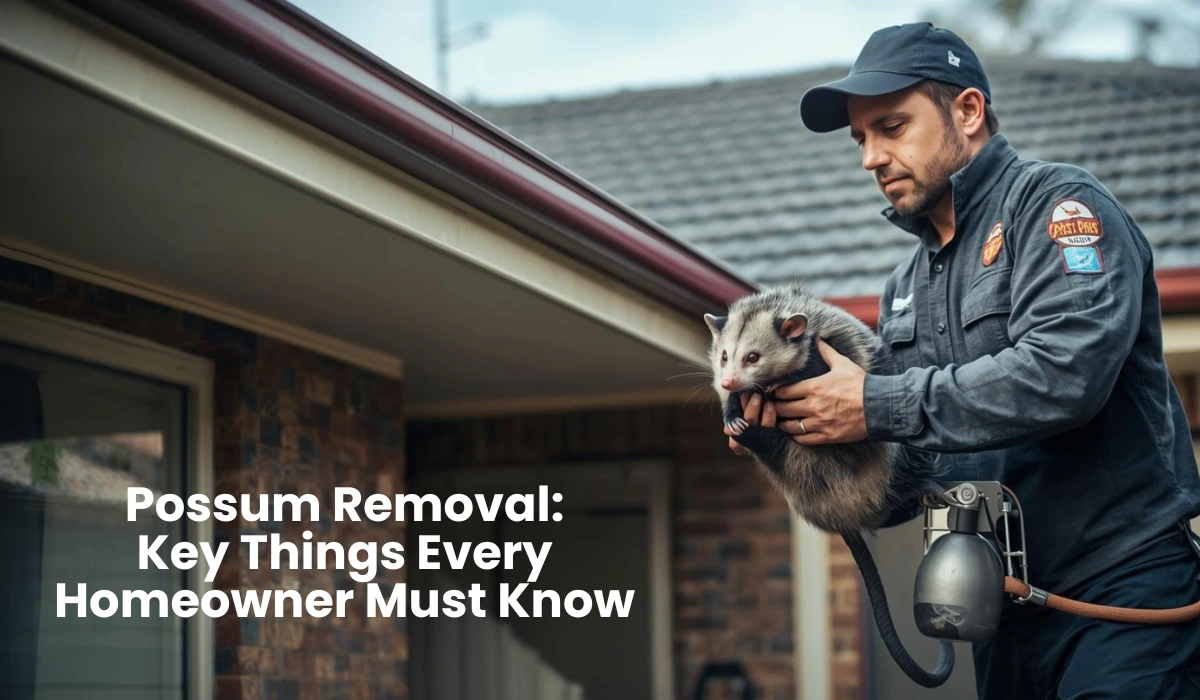
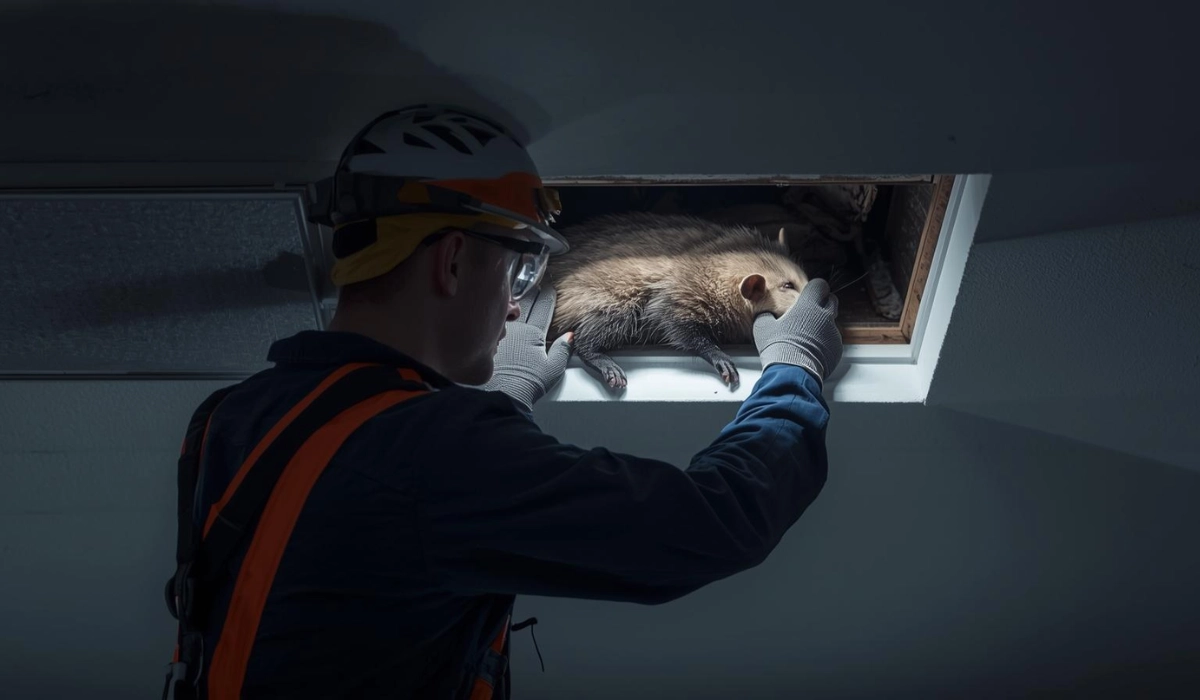
For homeowners, the important step is knowing which practices are truly ethical. Through environmentally friendly possum control, professionals can remove animals from roof spaces without causing harm.
Some widely used methods include:
- One-way doors – Allow possums out at night but stop re-entry.
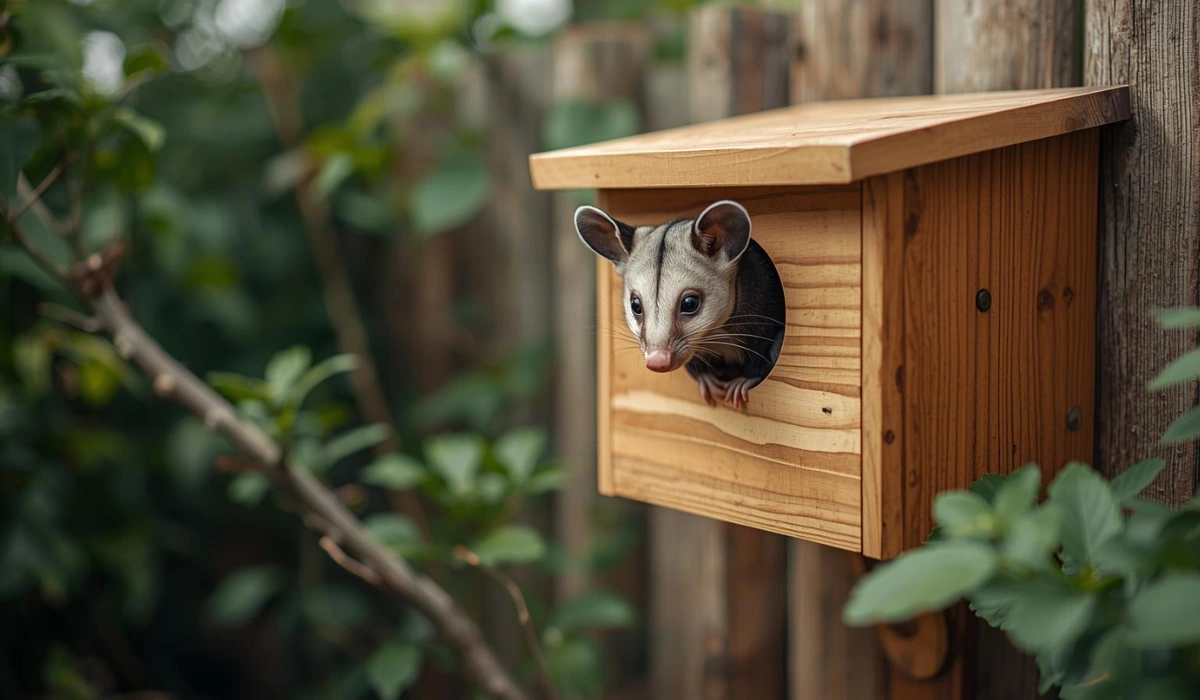
- Possum boxes – Installed near the home to provide safe shelter.
- Live trapping – Approved traps checked regularly to avoid stress.
- Sealing entry points – Blocking off access to prevent return visits.
- Habitat deterrents – Trimming branches, planting strong-scented herbs, or using motion-sensor sprinklers.
- Tree collars or barriers – Stopping possums from climbing into roof areas.
These methods, when handled by professionals, protect homes while leaving ecosystems intact. If you suspect possums are already inside, our quick guide on Signs of Possums in Your Roof can help you identify their presence early.
Environmental Benefits of Humane Relocation
Relocation has a direct environmental payoff. With humane possum relocation, we reduce unnecessary deaths while keeping animals in their natural ecosystem roles — from pollinating to pest control.
- Avoiding mortality – Humane relocation avoids the loss of animals that lethal control would cause.
- Maintaining biodiversity – Possums continue dispersing seeds and pollinating, sustaining native bushland.
- Preventing unwanted animals – Properly managed control helps ensure other, less welcome animals don’t move into the space.
- Supporting climate resilience – With soft-release methods, possums can adapt more easily to environmental shifts.
Done correctly, relocation builds healthier ecosystems that benefit both humans and animals.
Best Practices for Homeowners
When it comes to eco-friendly possum removal, a few practical steps make the difference between short-term fixes and long-term harmony with animals.
- Check your state’s animal laws before acting.
- Use experienced handlers with a proven track record.
- Install possum boxes as alternative homes.
- Seal gaps and entry holes to prevent repeat invasions.
- Maintain trees and shrubs in a way that reduces roof access.
- Work with neighbours to coordinate possum-friendly spaces.
By following these steps, people can keep homes secure without harming the animals that support local biodiversity.
Potential Challenges and How to Overcome Them?
Relocation isn’t without difficulties. Through safe possum relocation, experts still face hurdles like territorial disputes and mortality rates. But these challenges can be reduced with careful planning.
- High mortality risk – Soft-release methods and proper habitat selection help.
- Territorial conflict – Avoid relocating into areas with dominant resident possums.
- Public misunderstanding – More education can reduce fear of possums.
- Cost of professional removal – Shared neighbourhood funding or council support may help.
- Habitat fragmentation – Creating green corridors and planting native trees reduces conflict.
Every challenge has a solution if approached with long-term ecological health in mind.
Conclusion
At the end of the day, living alongside animals is about balance. Choosing humane possum relocation means you can protect your home without harming the animals that help our environment thrive. Possums aren’t pests; they’re part of the bigger picture, contributing to seed dispersal, pollination, and ecological balance.
With the right approach, you can solve a household problem while supporting nature at the same time. If you’re looking for an eco-friendly solution, reach out to our team. Call Daily Possum Removal today on 0489908438 and let us handle possums safely and with care for the environment.