
Using Possum Boxes: An Ethical Way to Manage Possum Problems
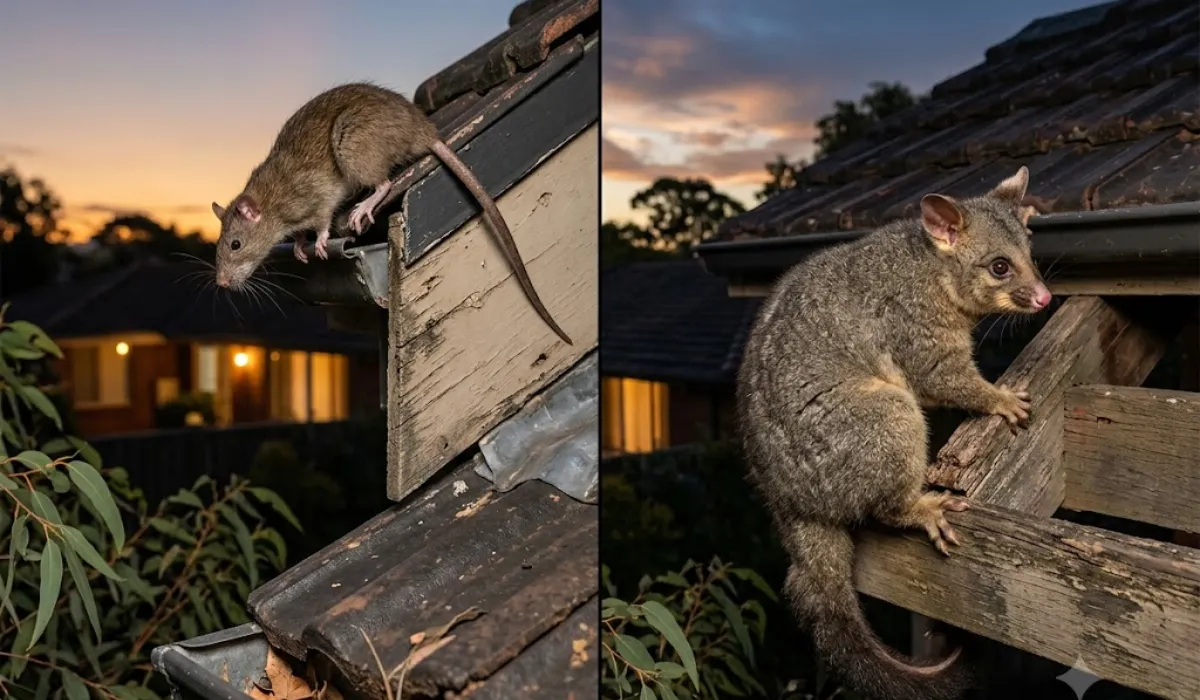
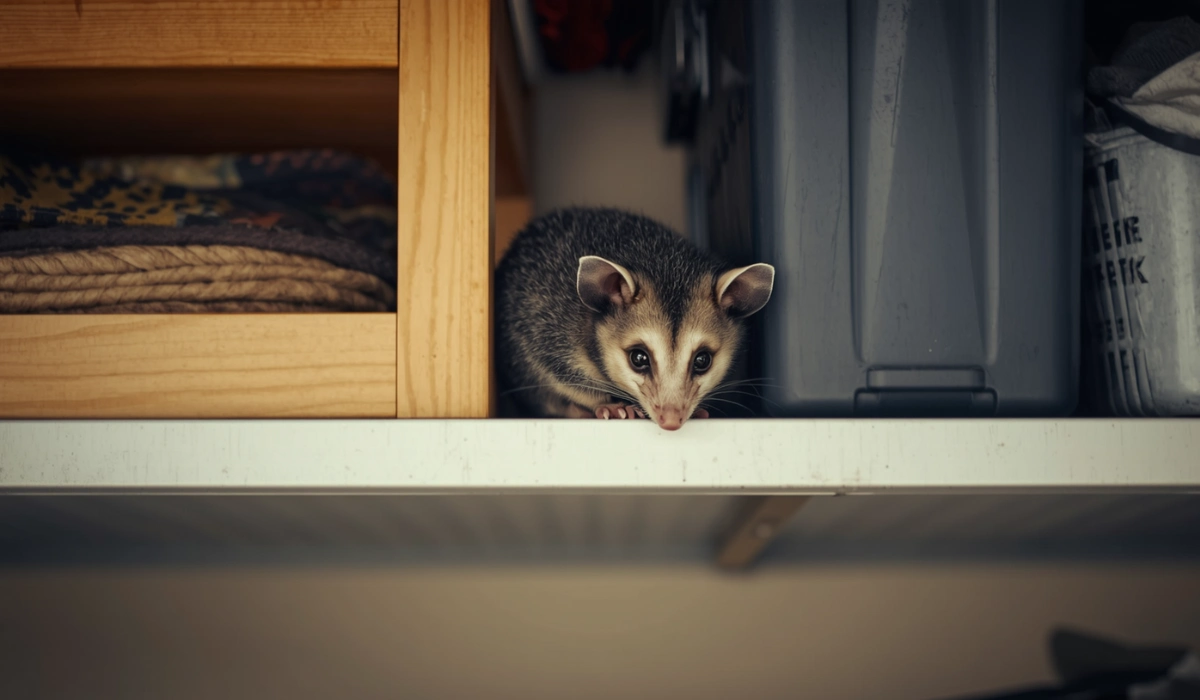
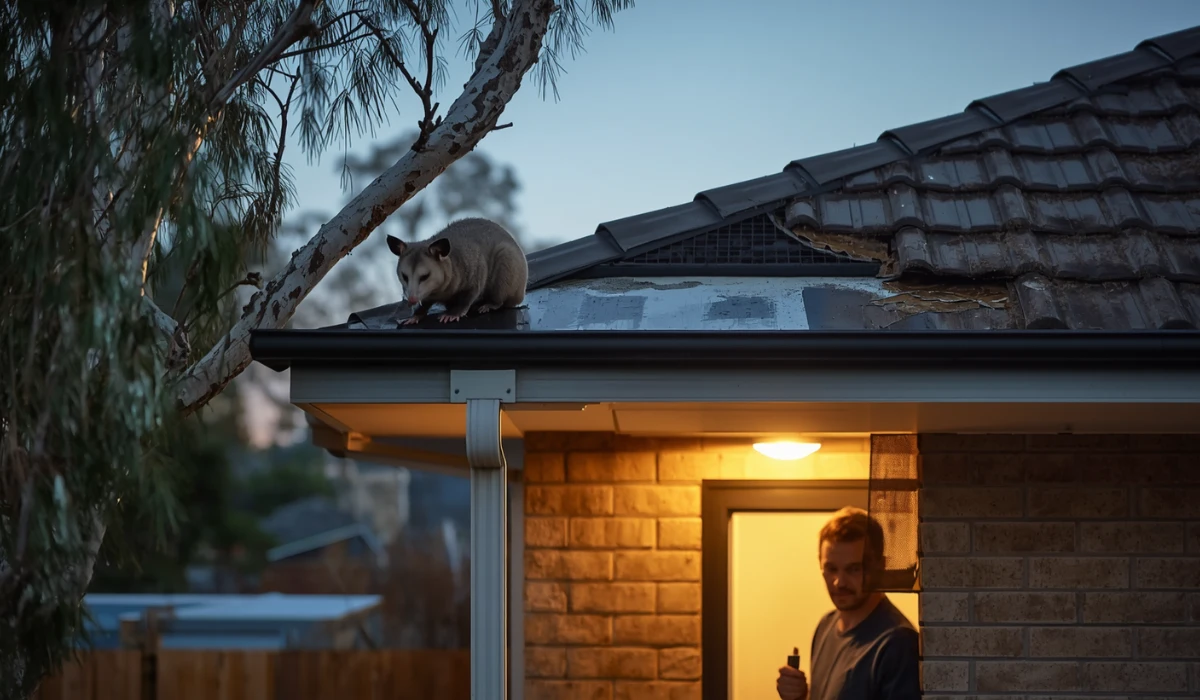
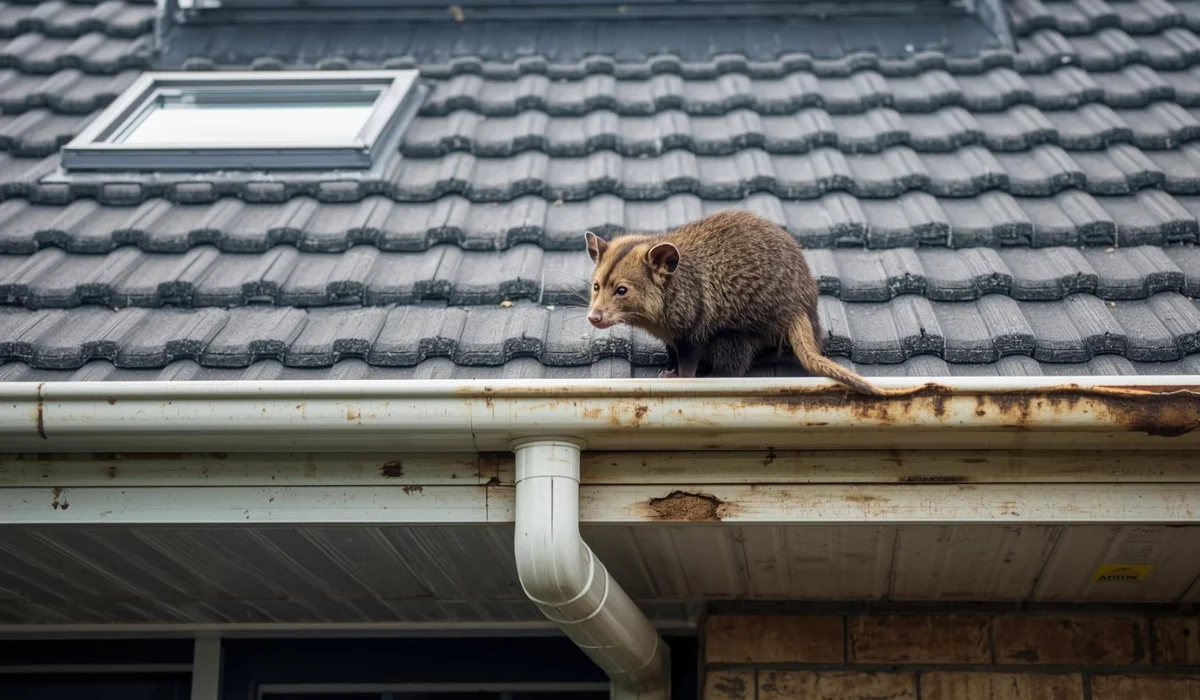
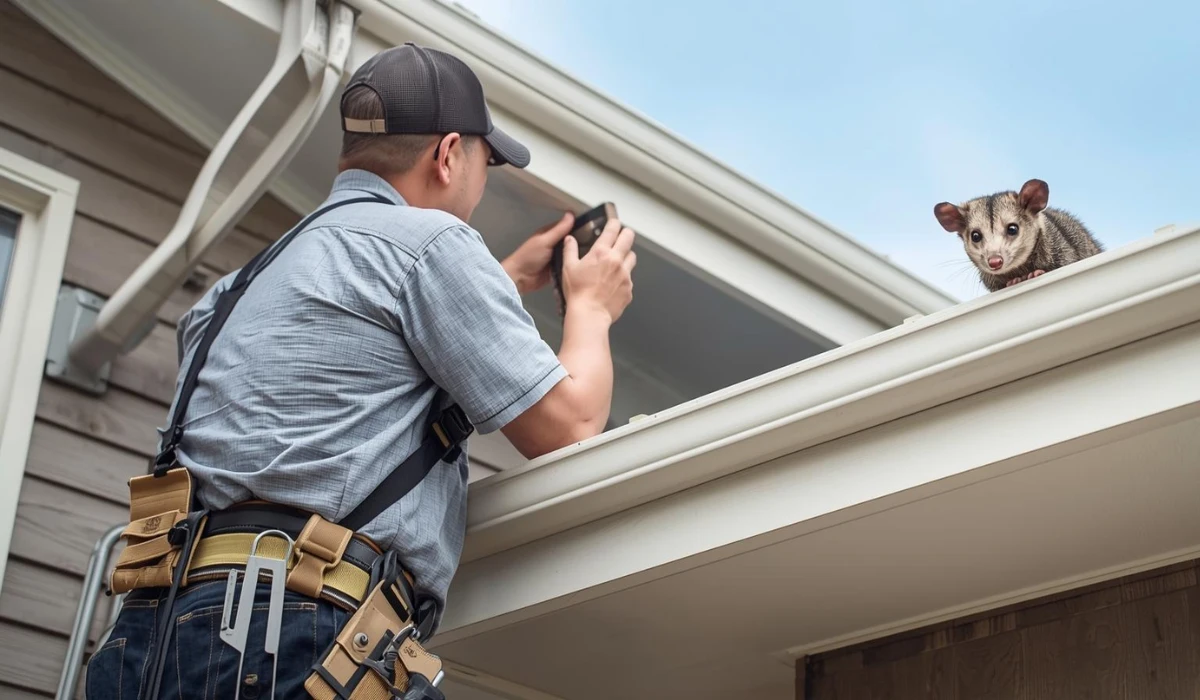
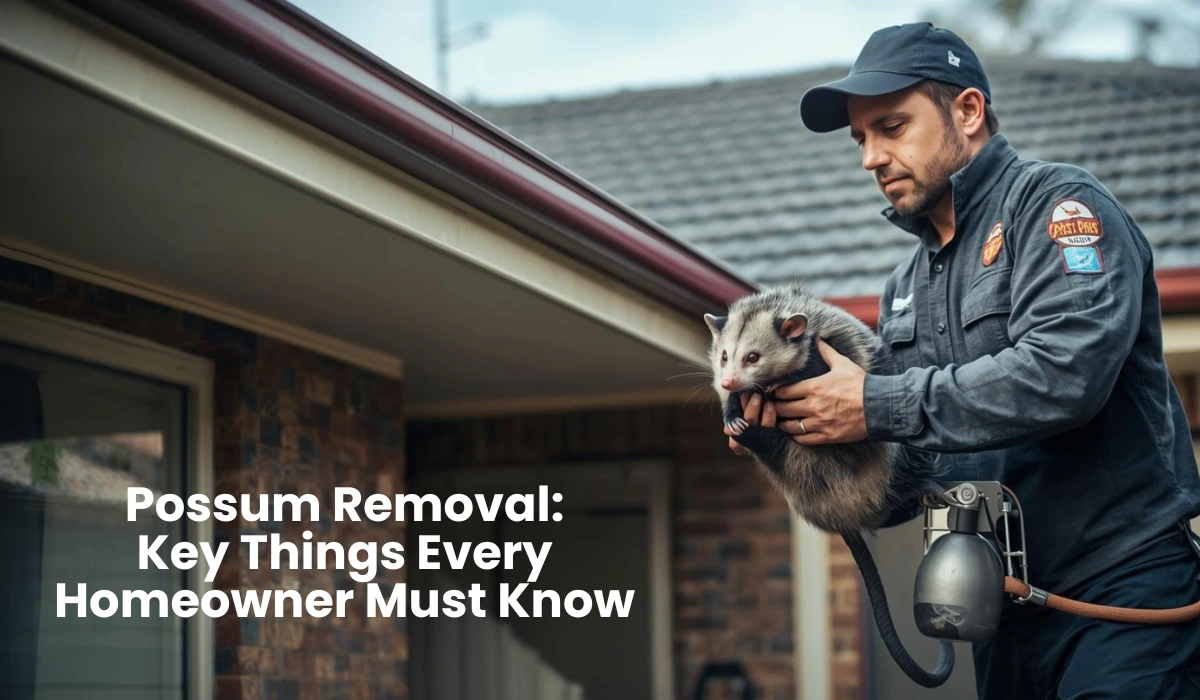
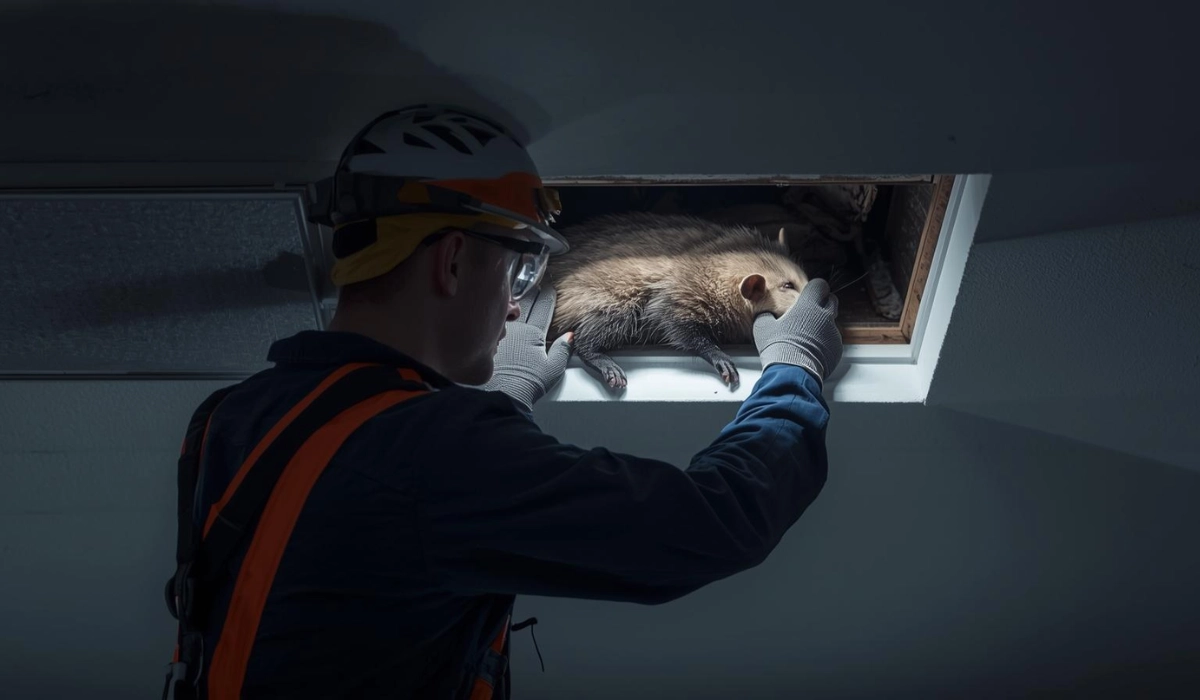
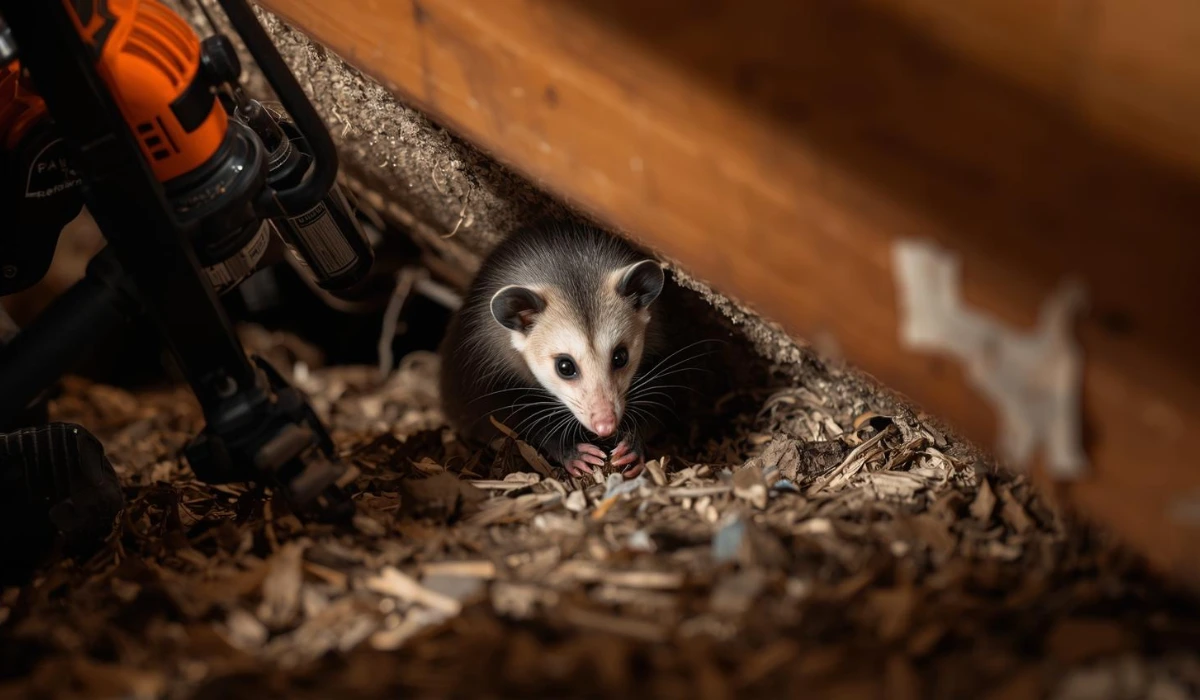
If possums have taken up residence in your roof or attic, it can be stressful with all the noisy scratching at night, droppings, and insulation damage. But harming or relocating possums far away is often improper and inhumane. A kinder solution is to offer them a better home: a possum box. Possum boxes give these native animals a safe alternative dwelling, reduce the chance they return to your roof, and allow you to live in harmony with animals.
What Is a Possum Box & Why It Works?
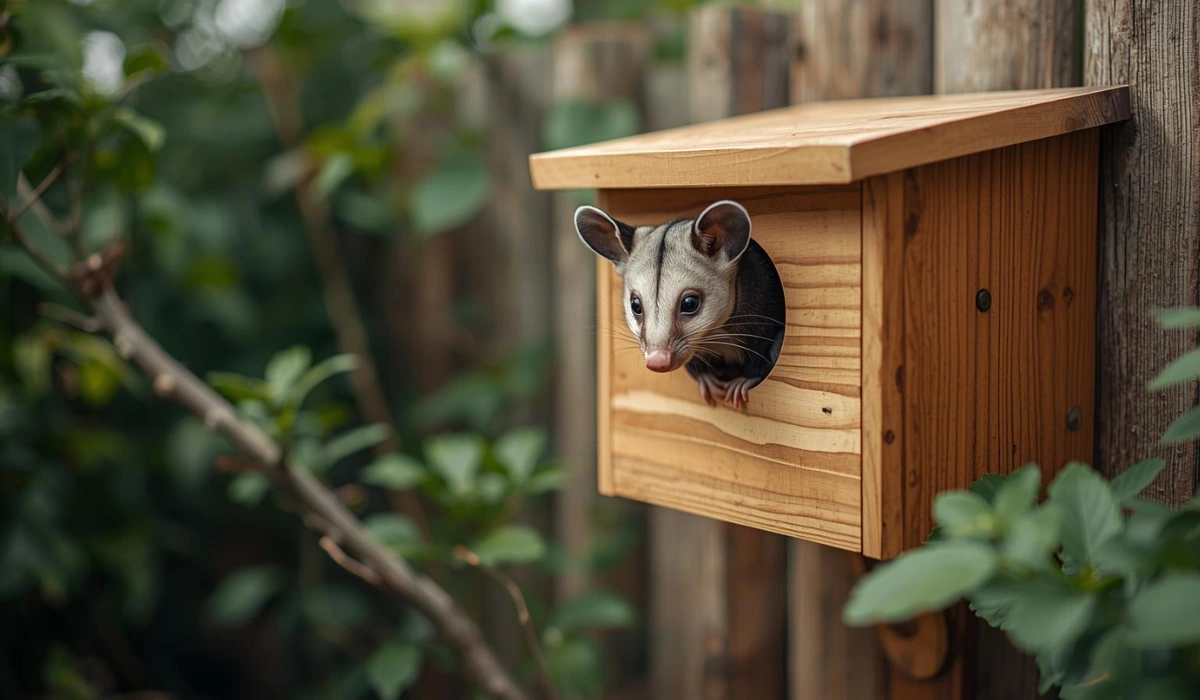
A possum box is essentially a nest box designed to mimic tree hollows, the natural roosts possums prefer. Placed in a tree or sturdy structure, it gives possums a secure, weather-protected den where they can rest and breed. Because possums are territorial, once one accepts the box, it will tend to discourage others from moving into your roof space.
This simple idea aligns perfectly with humane animal management practices discussed in our guide on Safe and Proper Possum Removal in Australia. A possum box helps you redirect unwanted possum nesting from your home to somewhere safe for the animal and less damaging for you.
Why Ethical Possum Control Matters?
Harming or removing possums arbitrarily can violate state animal laws, as Australian possums are protected. For instance, Victoria’s Act forbids harassment of possums, and they must not be relocated more than a small distance from their original site.
Also, possums displaced far from their familiar territory often fail to find food or shelter, and may perish. Ethical control respects the animal’s welfare and avoids proper trouble. Learn more in our article on Why Possums Are Protected Under Australian Law.
Possum Nest Box Benefits
If you wonder why use a possum box for relocation, here are its advantages:
- Offers a humane alternative to trapping or relocation
- Reduces roof damage, chewed wiring, and droppings
- Supports animal care and biodiversity
- Acts as a natural pest control (possum diets include insects and snails)
- One-time installation with long-term payoff
- Chance to observe native animals safely
How to Build a Possum Box (DIY Guide)?
If you’re handy, building your own box is an excellent option. Here’s a step-by-step for how to build a possum box:
- Materials: Use untreated timber like 12 mm plywood or pine (avoid chipboard)
- Cut panels: Front, back, sides, base, and lid
- Entrance hole: Around 80–100 mm diameter, under the overhang (to prevent rain)
- Ventilation & drainage: Drill small holes near top and base for airflow and water escape
- Assemble: Screw sides and base together; hinge the roof for inspection access
- Overhang & baffle: Roof should extend approximately 110–120 mm beyond the front; install a baffle to shield the entrance from wind, direct sun, and predatory birds
- Finish: Paint exterior with weatherproof paint in camouflaged tones
Let the paint smell fully dissipate before placing it where possums can inspect.
Possum Box Installation – Getting It Right
Proper possum box installation is key to success. If placed poorly, the animal may simply ignore it.
- Mount at least 3–4 m off the ground (4 m preferred)
- Secure it firmly using straps, wire, or brackets (protect tree bark with old hose)
- Face the entrance away from prevailing winds and harsh sun (avoid north or west)
- Place in a sheltered location under canopy if possible
- Ensure a branch or textured bark leads to the entrance so possums can climb in
If multiple possums frequent your property, consider installing several boxes in different trees to increase odds of occupancy. If you’re also trying to seal off your roof, read our seasonal guide on How to Possum Proof Your Roof This Autumn.
Encouraging Possums to Move In
Just putting up a box isn’t always enough — you must entice possums to shift from your roof into it. These are solid animal-friendly possum solutions to help:
- Place some fruit or vegetables (apple slices, corn) near, but not inside, the entrance
- Transfer a bit of their old nesting material (leaves, insulation) into the box
- Seal up roof entry points only after the possum exits at night
- Use mild scent deterrents (like quassia chips) in the old roost to discourage returns
- Be patient — it may take several nights
Over time, the possum may begin sleeping there regularly and consider it home. You can also learn the typical Signs of Possums in Roof to know if they’ve left your home or are still inside.
Possum-Proofing with Boxes & Property Measures
Even with a box installed, you should still possum-proof your property to prevent unwanted return. Some strategies:
- Seal gaps, vents, broken eaves, and roof holes using metal flashing or mesh
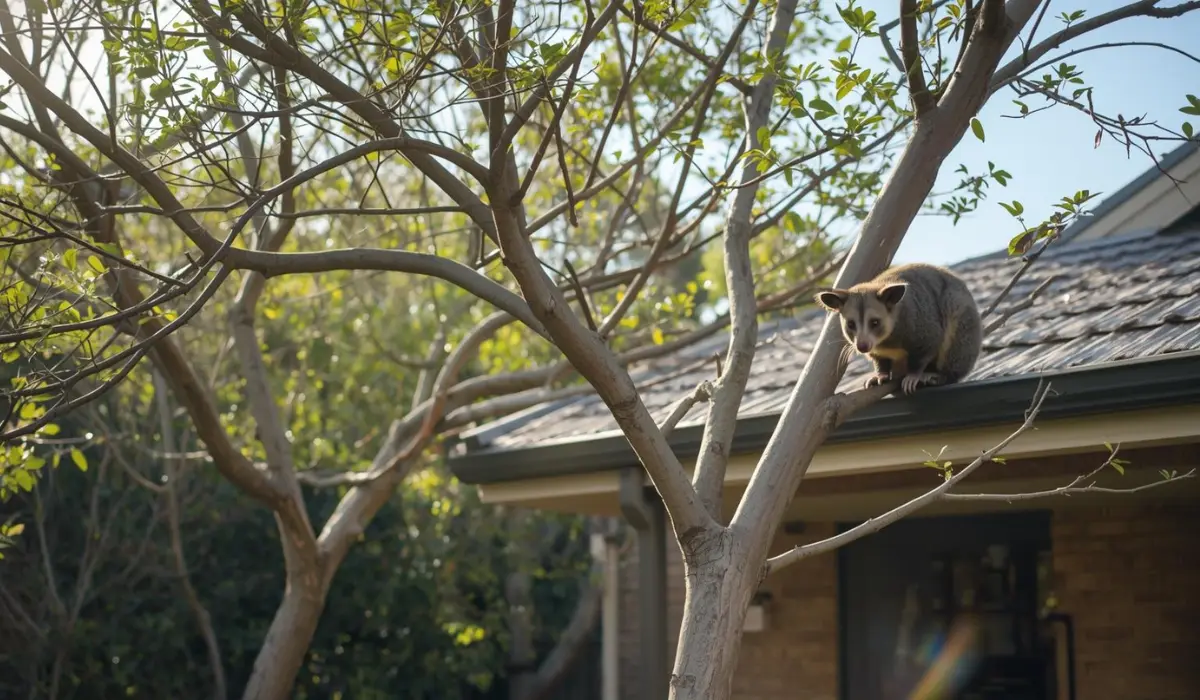
- Trim tree limbs that allow access to your roof; keep branches at least 3 m clear
- Secure rubbish bins and avoid leaving pet food outside at night
- Fit tree collars or climbing barriers on trunks or fences near your home
These steps ensure the possum stays in its box and doesn’t view your roof as backup real estate.
Possum Relocation Alternatives
When people think “removal,” they often think trap-and-transport. But that’s risky and often improper. Better possum relocation alternatives include:
- On-site relocation: guiding the possum from your roof to the box on your own property
- Encouraging natural movement over nights with food and deterrents
- Working with experienced animal carers or authorities to move it only short distances within its range
These methods are safer, proper, and more humane than long-distance relocation. For more guidance, see our article on Humane Possum Relocation in Australia.
Eco-Friendly Ways to Manage Possums
Beyond boxes and proofing, here are eco-friendly ways to manage possums:
- Create habitat: plant food trees and shrubs away from your roof
- Use motion-activated lights or gentle noise deterrents in roof cavities
- Encourage natural predators through habitat enhancement (if these are native in your area)
- Maintain natural corridors so possums don’t feel the need to live in houses
These practices reduce conflict and promote a balanced coexistence. If you’re concerned about potential risks, you might also find it helpful to read Are Possums Dangerous?.
Maintenance & Monitoring
To keep your solution working long-term:
- Check the box yearly: repair damage, remove old bedding, and ensure structural integrity
- Refresh bedding material (dry leaves or shredded bark)
- Observe signs of use — droppings, sound, or sightings
- Avoid disturbing the possum during breeding season
- If occupancy fails after several months, consider relocating the box or adjusting placement
Considerations in Australia
In all states, native possums are protected under animal legislation. For example, in Victoria, possums may be trapped only to release them on the same property (not removed far away). In Western Australia, relocation or harming native possums without permits is an offence. Before you act, check your state’s animal protection laws and whether you need a permit.
Embrace Humane Possum Management
Using possum boxes is one of the effective and compassionate ways to manage possums without causing them harm. They help protect your home while giving these native animals a safe and natural place to live. Instead of temporary fixes, possum boxes offer a long-term, humane solution that supports both your peace of mind and Australia’s native animals. If you’re unsure where to start or need expert help with installation, Daily Possum Removal is here to assist. Our experienced professionals ensure ethical, animal-friendly solutions that last. Call us today on 0489908438 to make your home possum-free the right way — safely, properly, and with respect for our native animals.