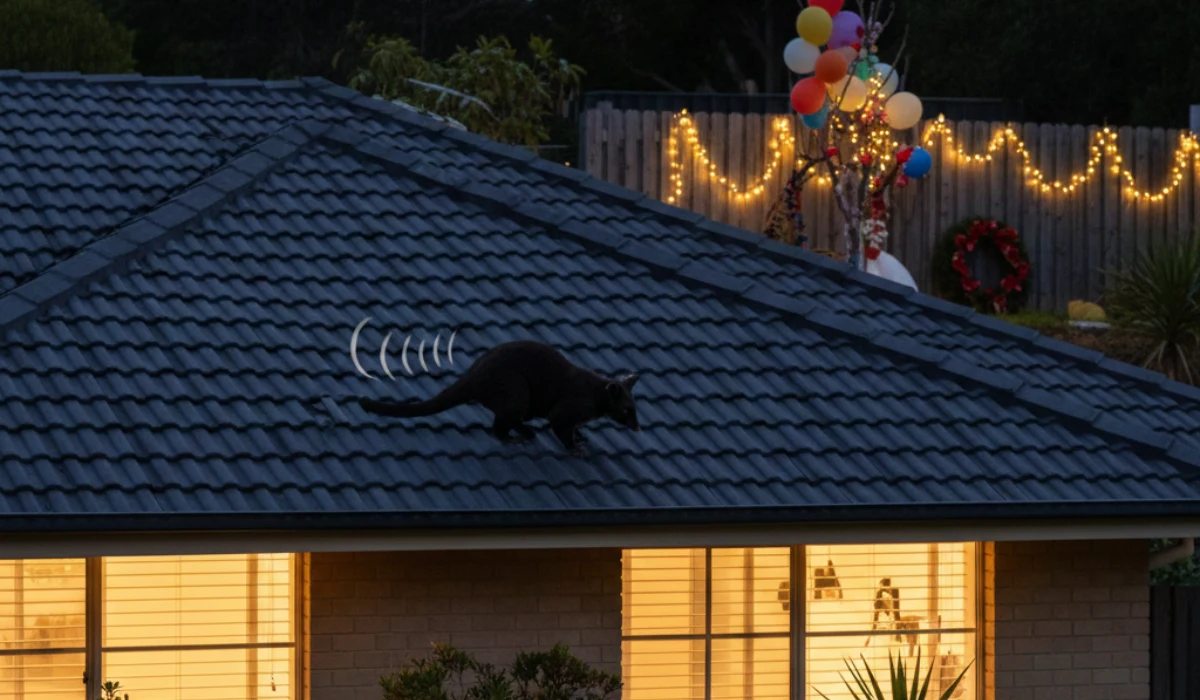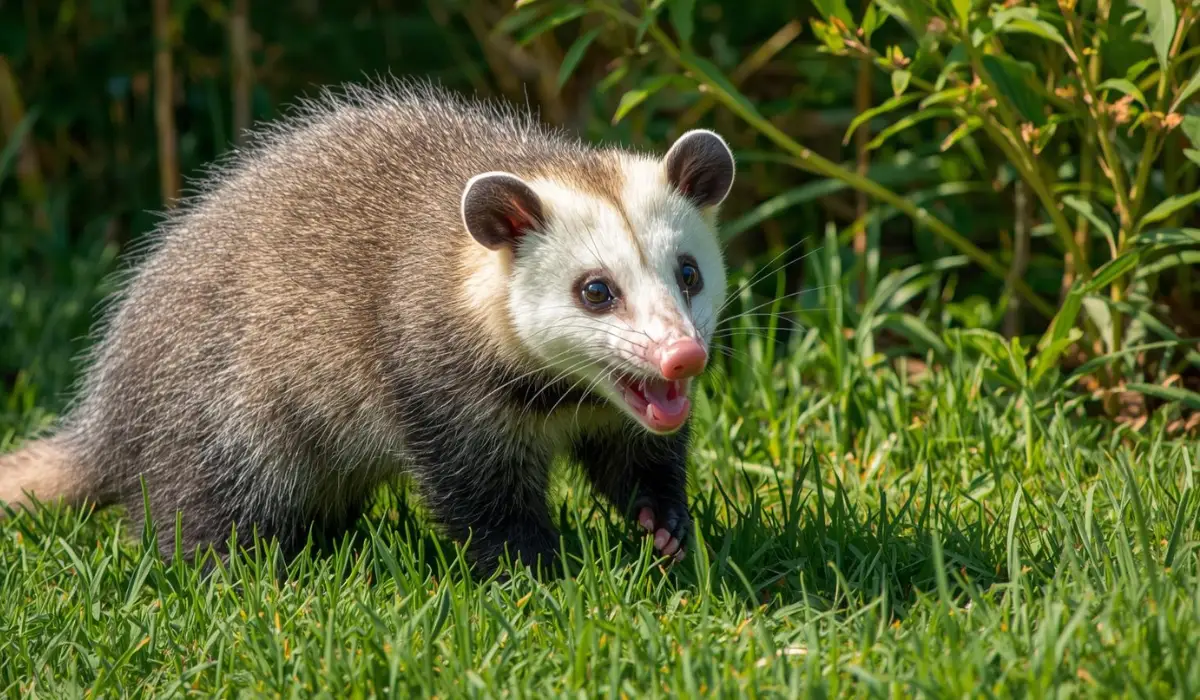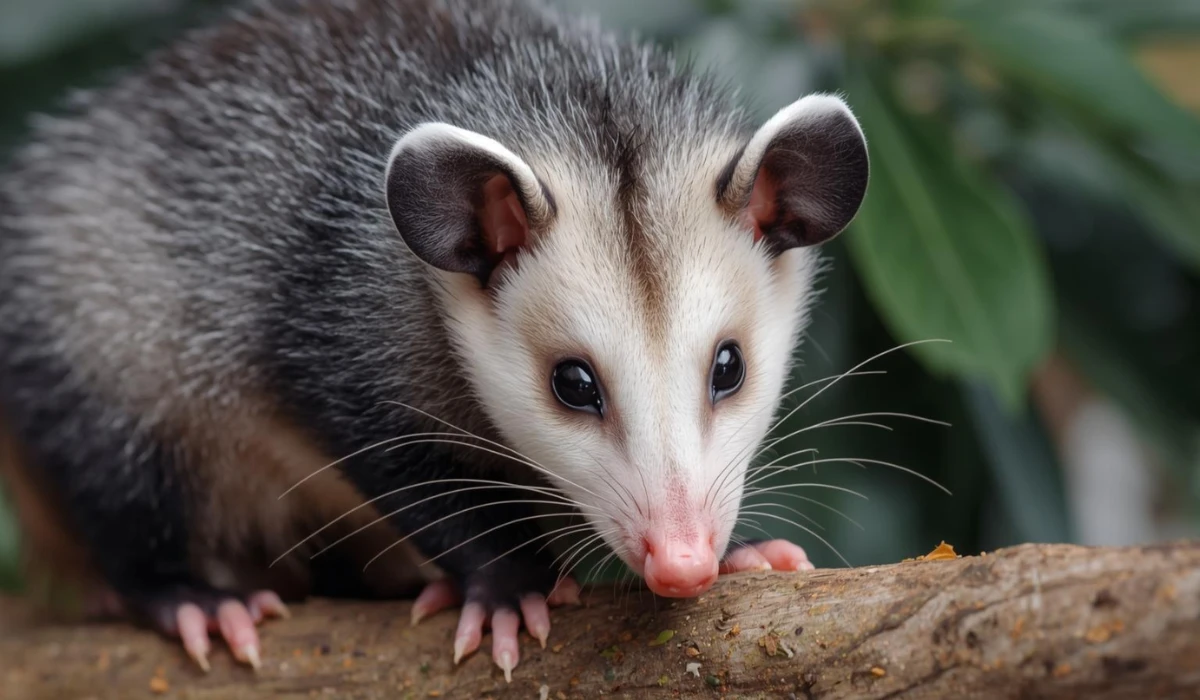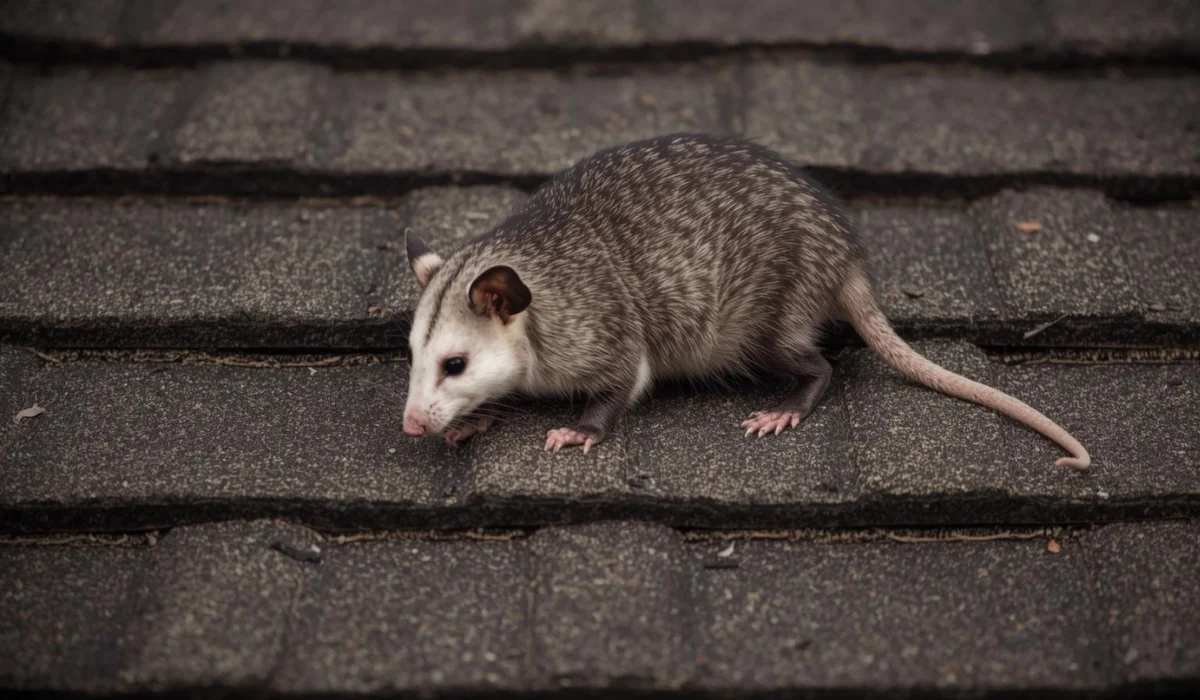

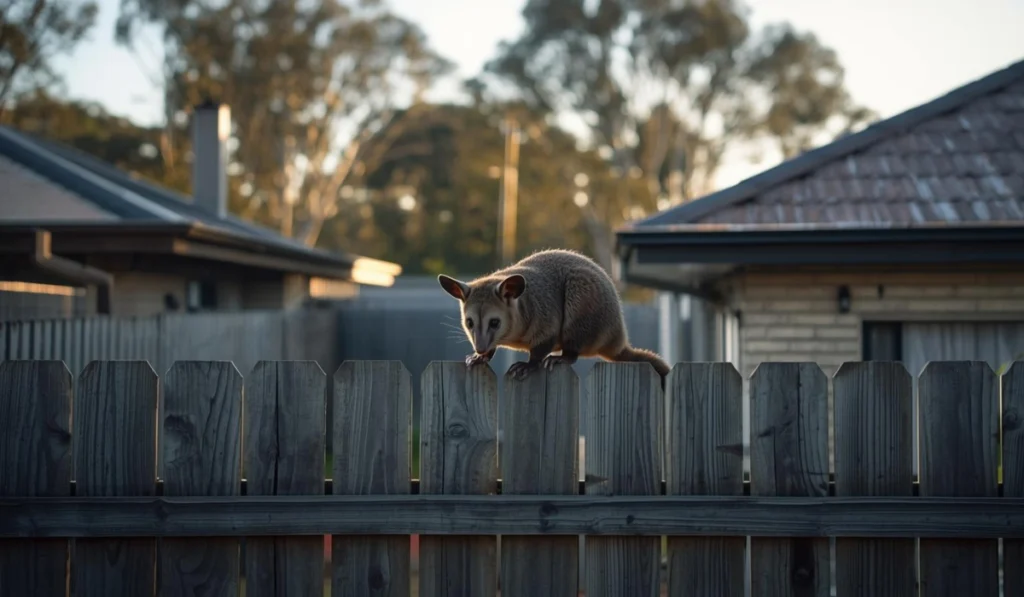
When it comes to possums, Aussie homeowners have heard everything from backyard rumours to old-school pest advice. But many of these possum removal myths can do more harm than good, both to you and to the wildlife you’re dealing with. Let’s sort fact from fiction and clear up the biggest misconceptions about these furry night visitors.
Why Possum Myths Keep Circulating?
Possums are noisy, territorial and very good at sneaking into warm roof spaces. Because they’re such frequent visitors, people share their own experiences, often based on half-truths. Social media “quick fixes,” DIY deterrent products, and old-fashioned pest control habits keep these misunderstandings alive.
The reality is that possums are native wildlife, not just pests. They’re protected under law instates, and handling them the wrong way can lead to heavy fines. Understanding the real rules, behaviour and biology behind these creatures is the first step toward humane management. You can learn more about the legal aspects in our guide on Why Possums Are Protected Under Australian Law.
Myth 1 – “All Possums Are Pests You Can Just Get Rid Of”
It’s one of thecommon possum myths Australia has ever known: that possums are the same as rats or mice and can be exterminated. In truth, every state in Australia recognisespossum species as protected wildlife. Harming, poisoning or killing them is illegal.
Possums actually play a important role in the ecosystem by dispersing seeds and pollinating native plants. So, instead of seeing them as invaders, think of them as part of Australia’s natural balance. The right approach is not to destroy them but to manage them humanely. You can read more about their ecological value in our blog on the Role of Possums in the Australian Ecosystem.
Myth 2 – “Trapping and Moving a Possum Far Away Solves the Problem”
Here’s a classic case of possum removal facts vs fiction. Many people believe catching a possum and releasing it in the bush is a kind act. Unfortunately, relocation usually leads to the animal’s death.
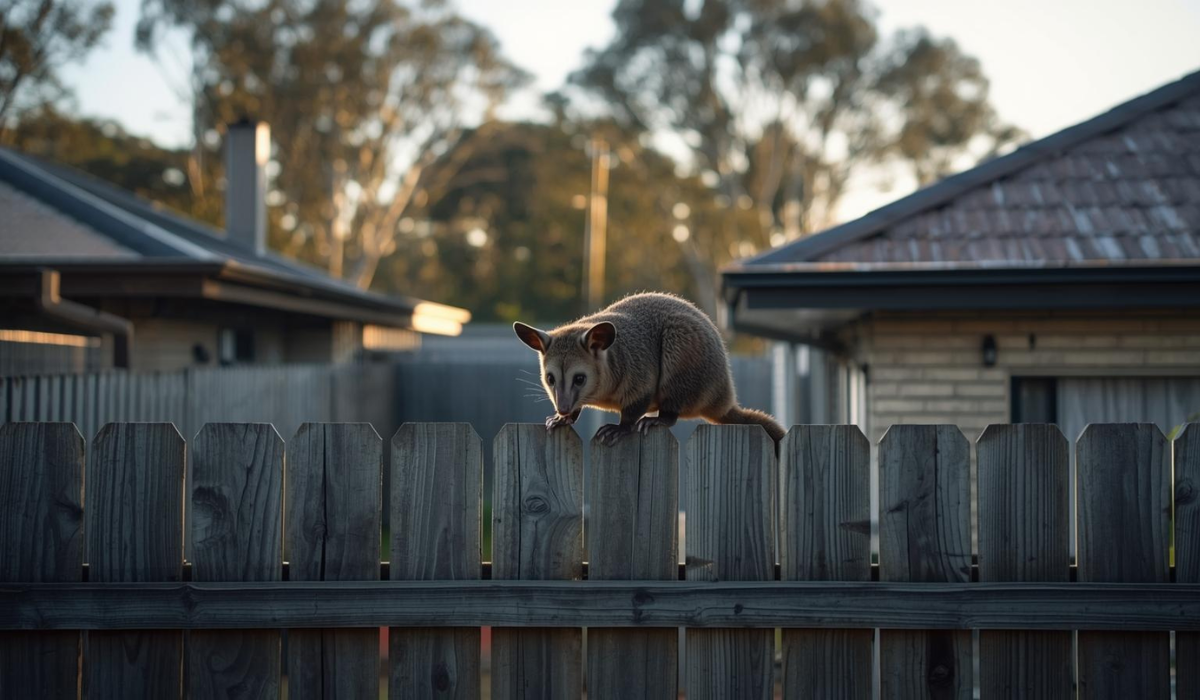
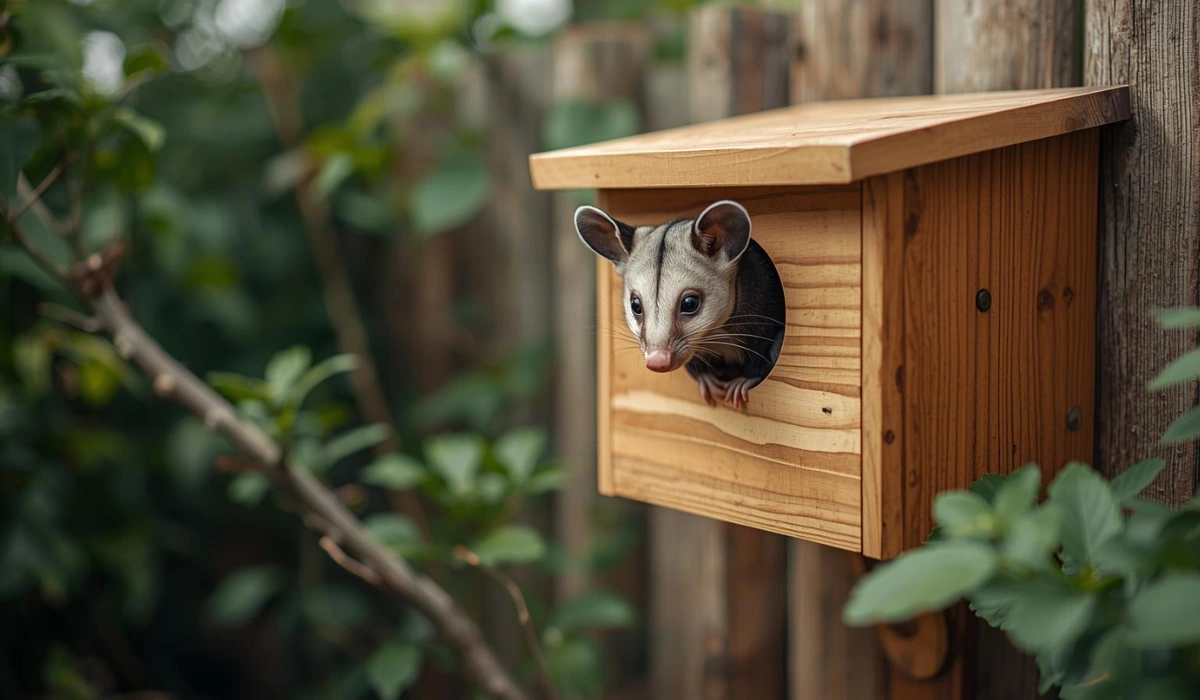
Possums are territorial and will often try to return to their original home, crossing roads, fences and predators along the way. Even if they survive, another possum will quickly take over the vacant spot. The professional solution is exclusion: seal entry points and provide an alternative nest box in your yard so the animal has a new, safe home close by.
For humane ways to do this, see our post on Humane Possum Relocation in Australia and Using Possum Boxes for Ethical Management.Myth 3 – “Possums Spread Diseases and Shouldn’t Live Near People”
This is one of the oldest possum removal misconceptions floating around. Healthy possums don’t pose a serious health risk to humans. They might carry fleas or mites occasionally, but these parasites rarely transfer to people.
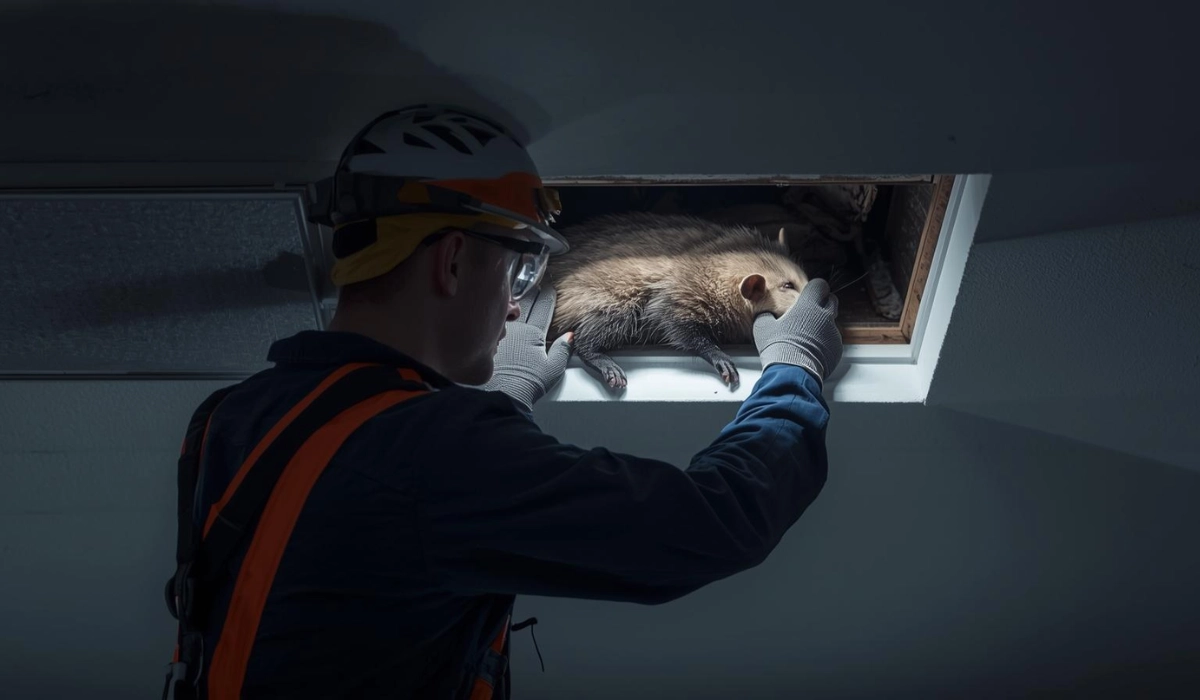
Most problems arise when homeowners try to handle possums themselves or leave entry points open, letting droppings accumulate. Regular cleaning and roof maintenance are far more effective than fear or extermination. If you’ve noticed scratching sounds or droppings above, you might be interested in our guide on the Signs of Possums in Roof.
Myth 4 – “All DIY Deterrents Work the Same Way”
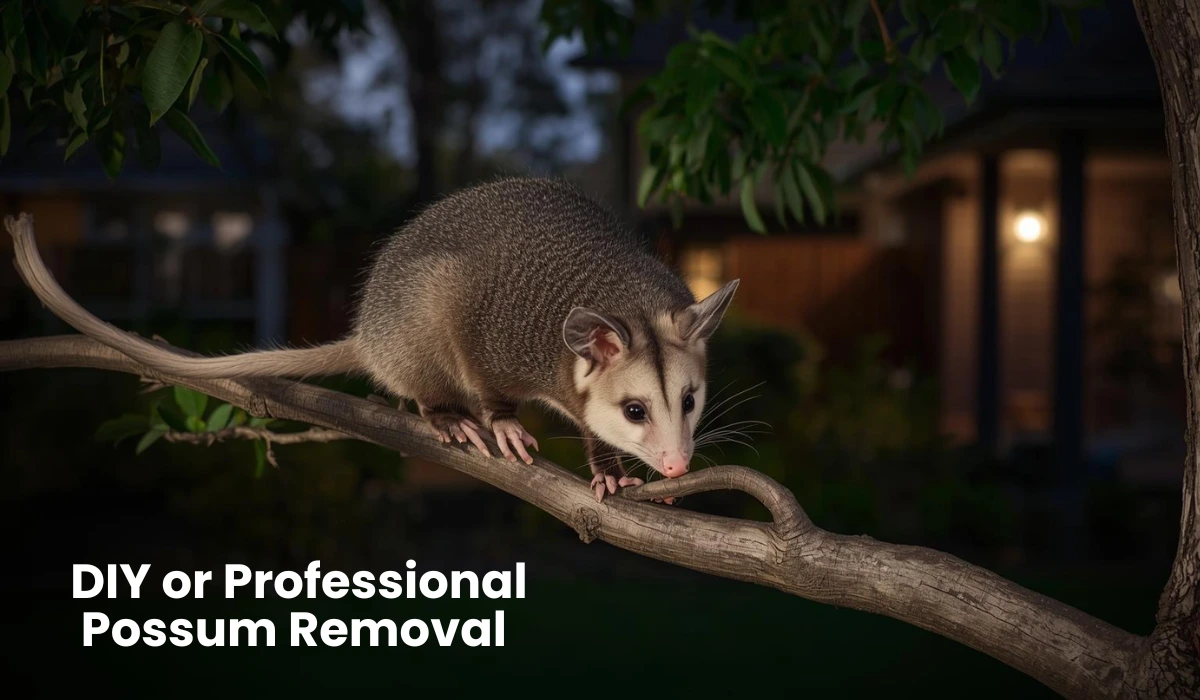
You’ll find plenty of “miracle” deterrents online, like camphor blocks, mothballs, ultrasonic gadgets, flashing lights. But these are humane possum control myths that sound easier than they actually are.
What really works is prevention:
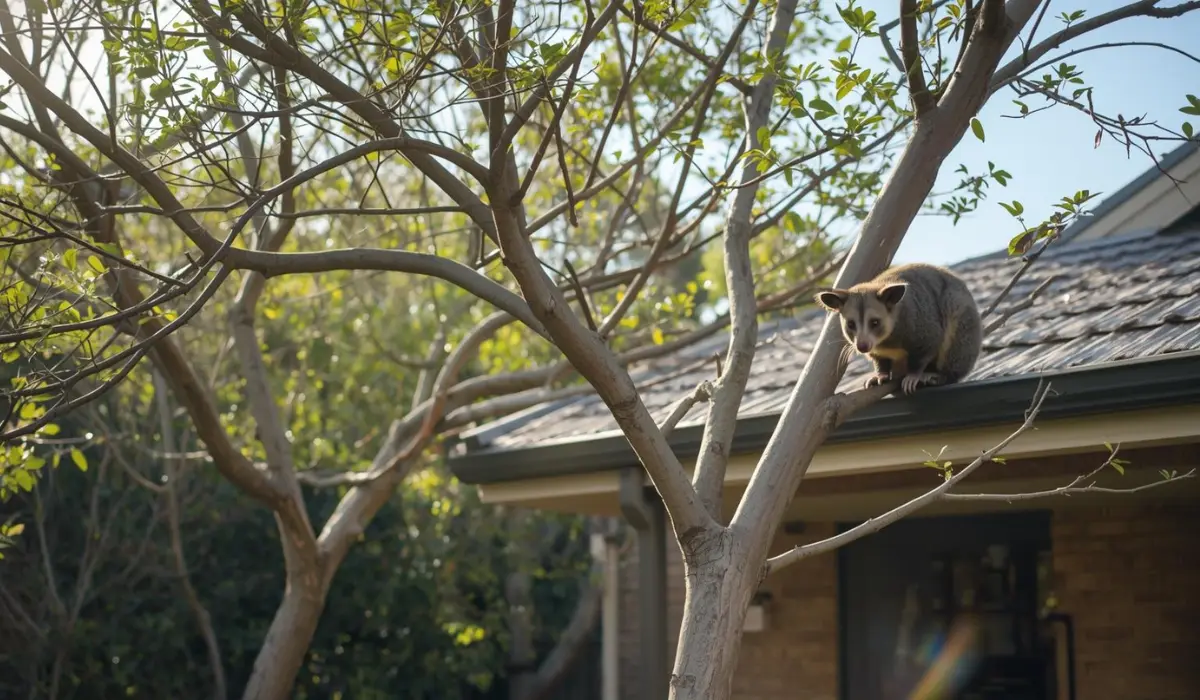
- Trim overhanging branches to stop possums climbing to your roof.
- Block entry holes with sturdy mesh or metal flashing.
- Install a possum box on a nearby tree to give them an alternate den.
- Avoid chemical repellents because they’re ineffective and can be toxic to pets.
Short-term deterrents may push a possum away for a few nights, but without fixing the cause, they’ll return. To prevent re-entry, check out How to Possum-Proof Your Roof This Autumn.
Myth 5 – “Possums Can Be Relocated Anywhere You Like”
One of the biggest misunderstandings comes from confusion around possum relocation laws Australia. Each state has specific rules that restrict how possums can be captured and released. For example:
- In Victoria, you must release the animal within 50 metres of where it was caught.
- In NSW, a special licence is required for trapping and relocation.
- In Queensland, only authorised wildlife handlers can perform removal.
Ignoring these laws can lead to steep fines or prosecution. Before you take any action, check with your state’s wildlife authority or hire a experienced possum-removal professional. Read our detailed article on Safe and Legal Possum Removal in Australia for more insights.
Myth 6 – “Mothballs and Noise Will Keep Them Away Forever”
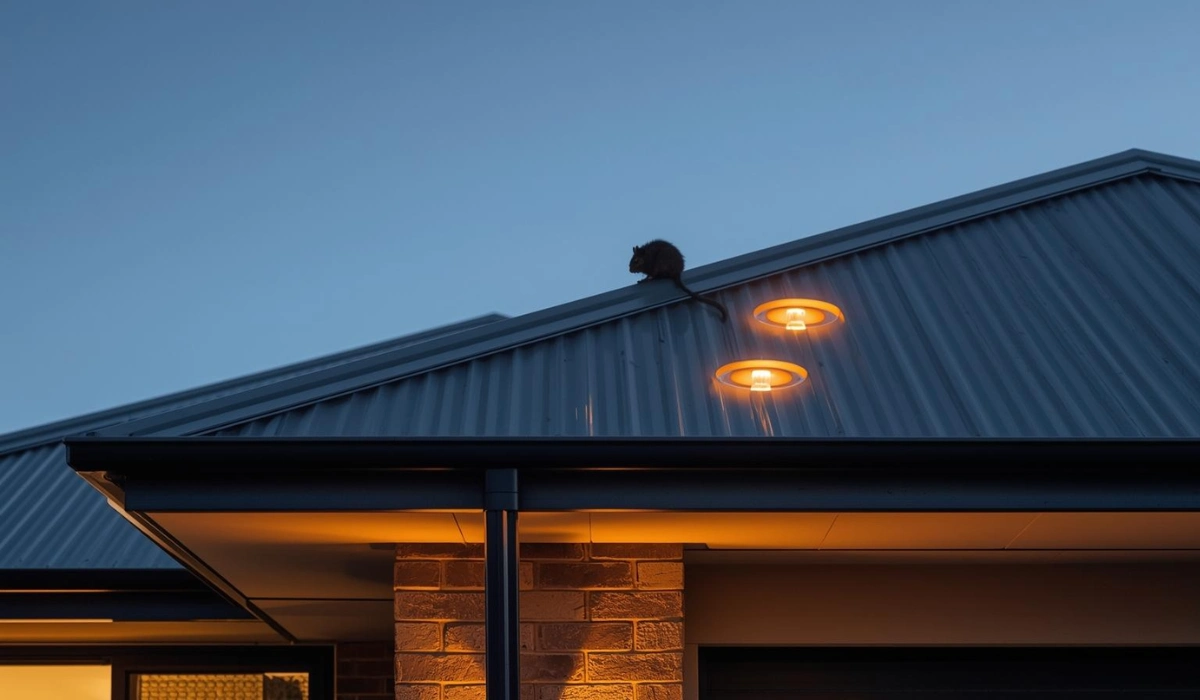
This is a favourite in the list of what not to do with possums. While mothballs, floodlights or loud radios might make a possum move temporarily, these methods rarely provide lasting relief. Possums soon adapt, and may just move deeper into your roof space where it’s darker and quieter.
Instead, focus on making the environment less appealing long-term:
- Keep pet food and compost bins sealed.
- Clear fruit trees regularly.
- Use scent-based deterrents made from natural oils like peppermint or clove (safe).
- Block access points properly rather than scaring the animal.
Myth 7 – “Wildlife Removal Is Always Cruel”
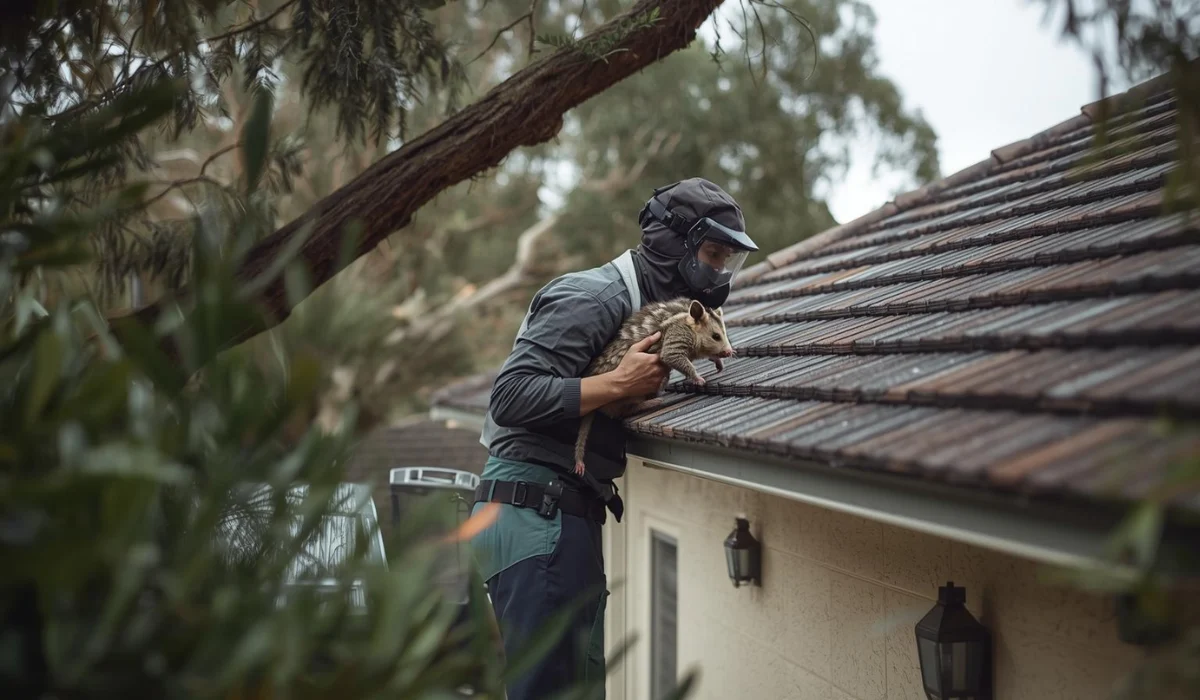
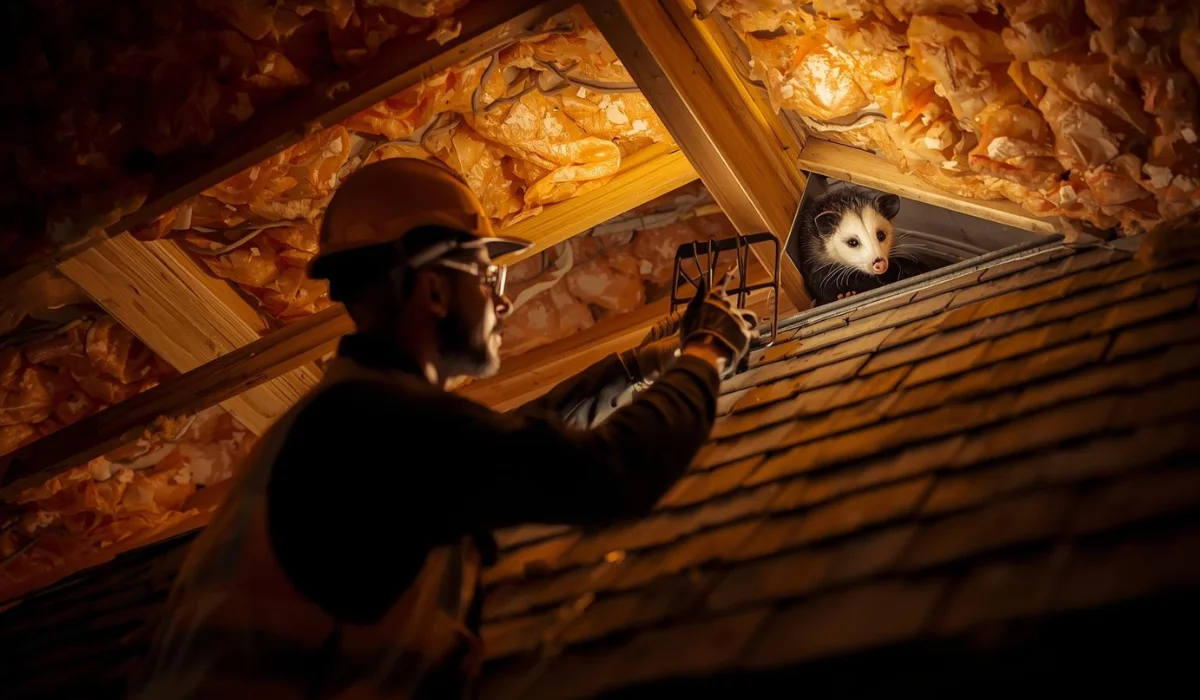
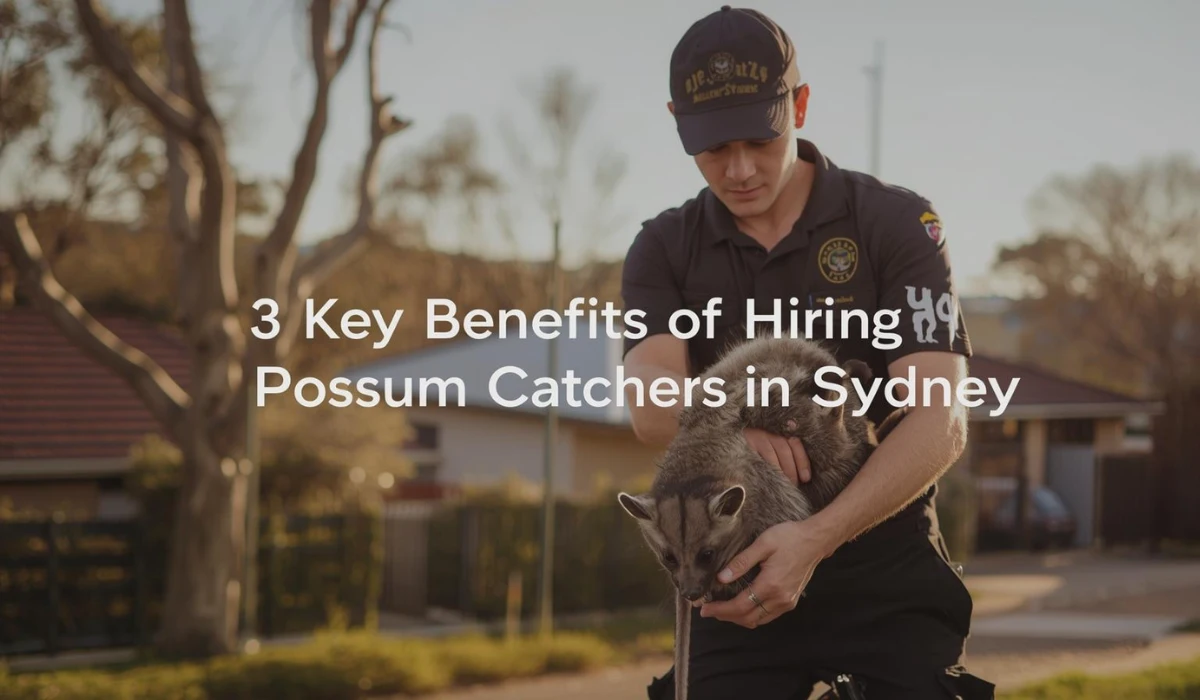
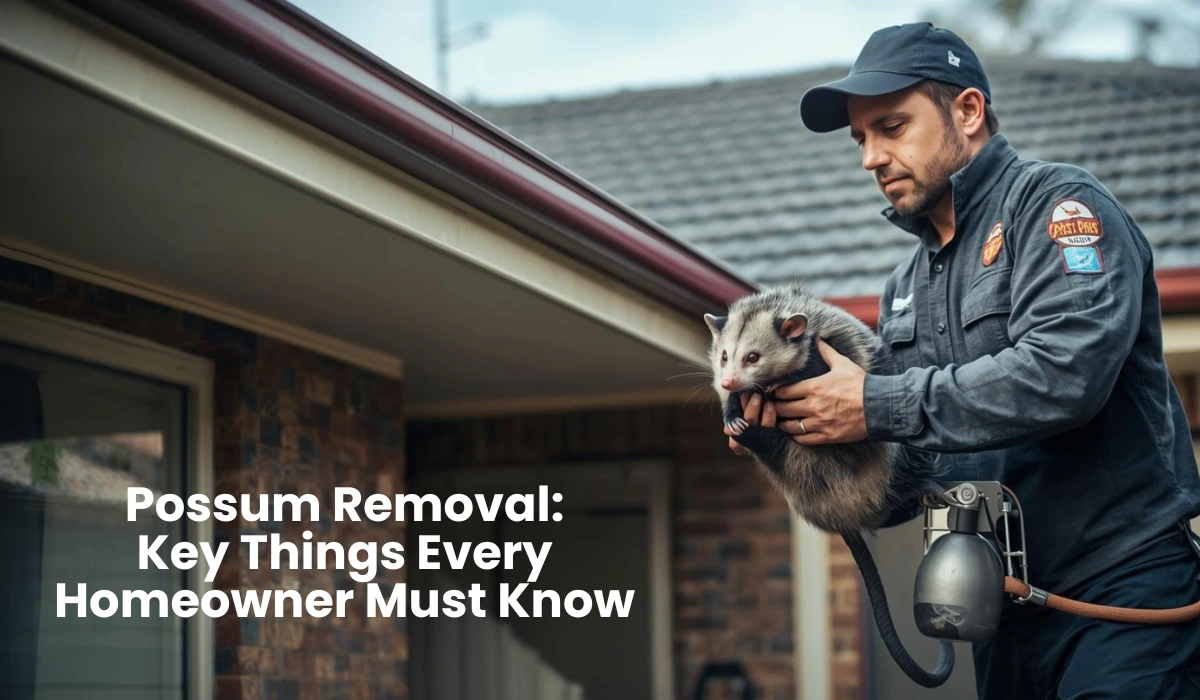
Some homeowners avoid calling experts because they assume trapping means harming the animal. This idea sits high among wildlife removal myths. Professional wildlife controllers follow government-approved, humane practices using safe cage traps, soft liners, and stress-minimising procedures.
Experienced handlers must check traps daily and release the possum legally nearby. Ethical removal isn’t about punishment; it’s about coexistence. So, calling a qualified expert is often the kindest move for both you and the animal. Learn more about humane and legal options in our post on Safe and Legal Possum Removal in Australia.
Myth 8 – “Possums Are Dangerous or Aggressive”
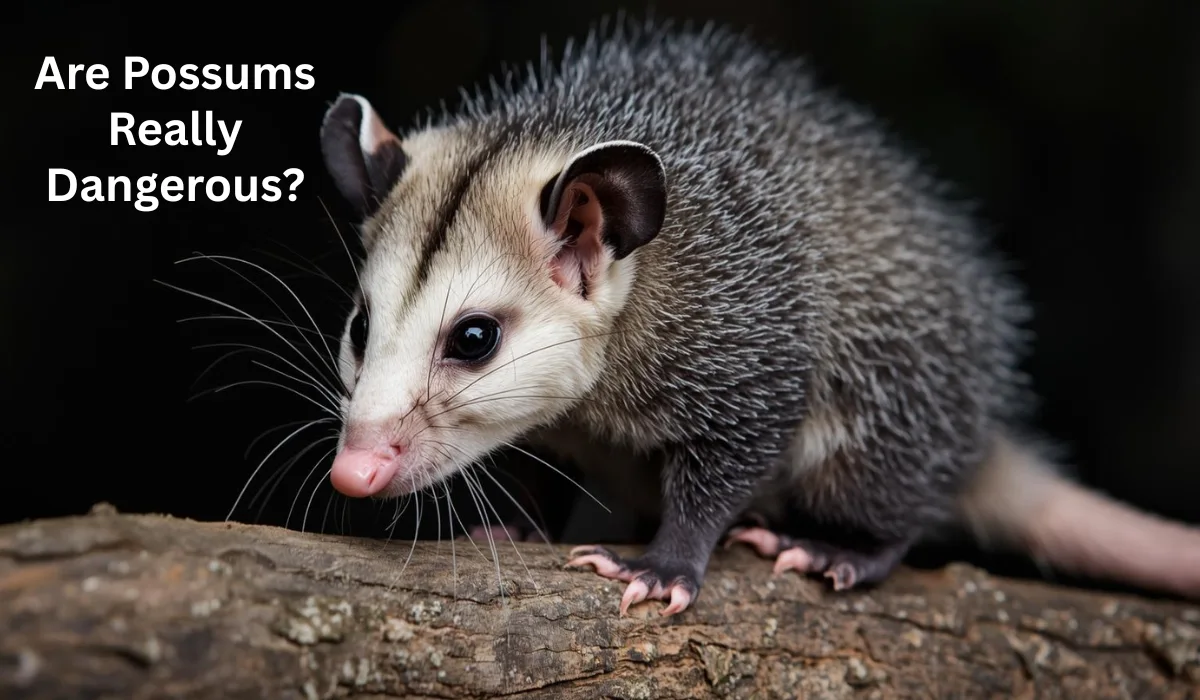
Here’s a big misconception: many people ask, are possums pests or protected, thinking the answer decides whether they’re dangerous. The truth is, possums aren’t aggressive unless cornered. Most will hiss or bluff before running away. They don’t attack humans for no reason; they just defend themselves if they feel trapped.
Understanding their natural behaviour helps prevent conflict. If you come across a possum indoors or in a tight space, leave a clear exit route and let it escape calmly. For more clarity on this topic, check our post — Are Possums Dangerous?.
Myth 9 – “Once Removed, They’ll Never Come Back”
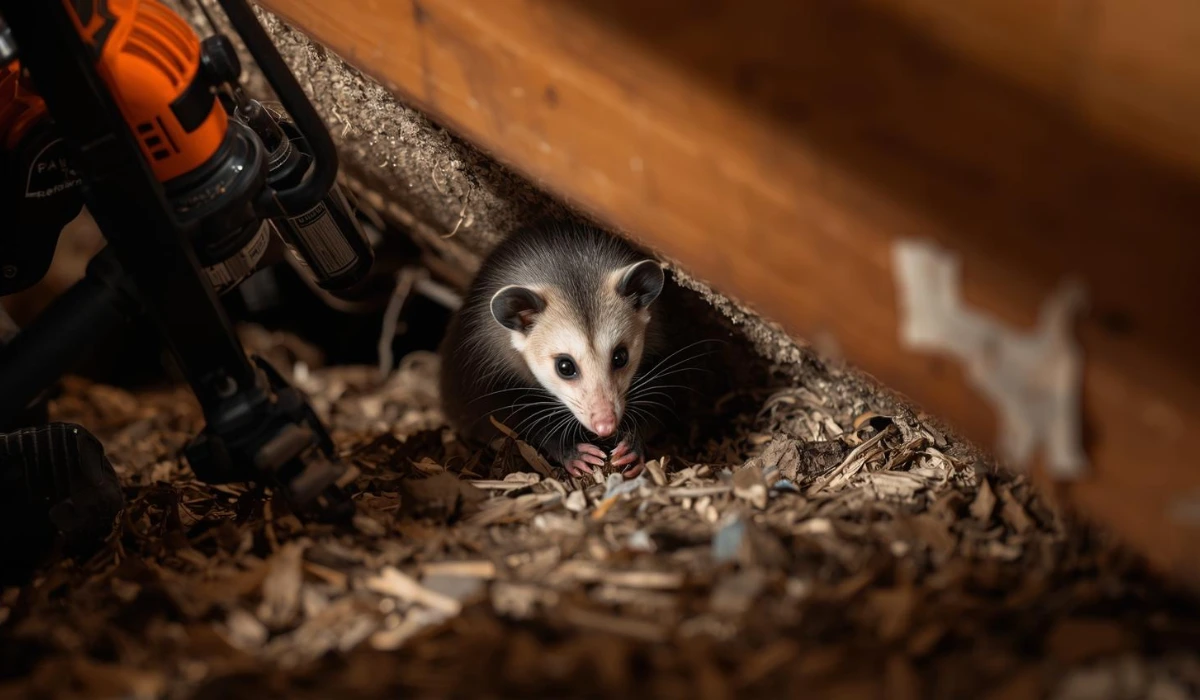
Even after removal, possums often return if entry points remain open. Possums are clever climbers with strong homing instincts. If you don’t fix the gaps, another one will soon move in.
To avoid a repeat invasion:
- Seal all roof openings and vents.
- Install possum guards on downpipes or trees near the house.
- Replace damaged tiles or eaves quickly.
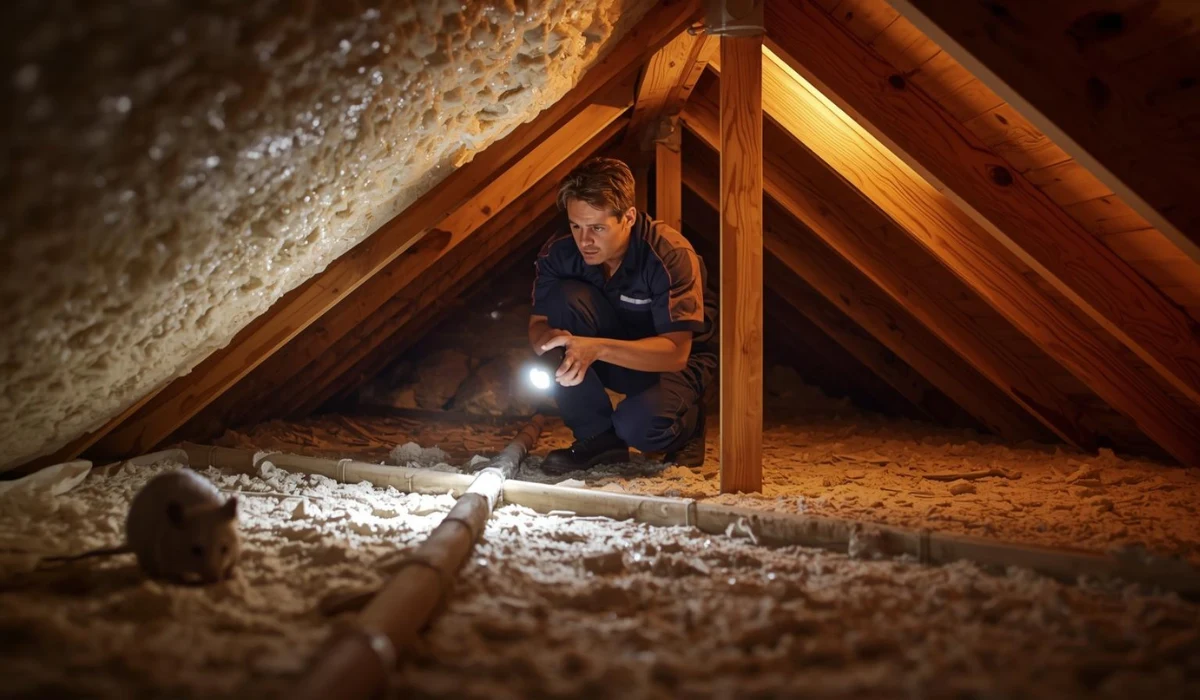
- Regularly inspect your attic or roof cavity.
Prevention and habitat management are the real long-term answers.
Myth 10 – “Possums Don’t Contribute to the Environment”
One of thesurprising Australian possum facts is how important they are to native ecosystems. These nocturnal mammals help pollinate flowers, spread seeds, and maintain healthy forests. Removing them indiscriminately can upset the natural balance.
Here’s what they do for the environment:
- Feed on native blossoms, aiding pollination.
- Transport seeds through droppings, regenerating vegetation.
- Act as prey for native predators like owls and pythons.
When we protect possums, we protect the biodiversity that makes Australia unique. Dive deeper into this topic in our detailed blog, Role of Possums in the Australian Ecosystem.
The Legal and Ethical Way Forward
So, what’s the right way to handle a possum problem? Start by confirming what species you have and where it’s nesting. Then:
- Block off entry points once you’re sure the animal has left.
- Provide a possum box or shelter nearby as an alternative.
- Avoid chemical repellents or traps without a license.
- Call a skilled wildlife controller if needed.
Always follow professional wildlife regulations. Each state has clear rules about who can trap, relocate or handle possums. Learn more about this process in our post on Safe and Legal Possum Removal in Australia.
The Bottom Line
Falling for possum removal myths can lead to harming these protected native creatures. Possums aren’t pests but a part of Australia’s natural balance and deserve humane treatment. Contact professionals who know the right way to handle them.
At Daily Possum Removal, we offer safe, legal, and eco-friendly possum control across Australia. From noisy roof guests to garden visitors, our experts ensure quick and ethical removal. Call 0489908469 today for fast, humane possum removal and lasting peace of mind.